What to Do if Your Dental Implant Feels Loose
Seattle Implant Care Tips to Protect Your Smile and Prevent Complications
A dental implant should never feel loose. Unlike natural teeth, implants are anchored directly into the jawbone, creating a stable foundation that doesn’t shift, wiggle, or move. So if your implant feels loose—whether it’s the implant itself, the crown, or the abutment—it’s important to take the sensation seriously and act quickly.
In Seattle, where many patients choose dental implants for long-lasting tooth replacement, early intervention is key to preserving the health of your implant and surrounding structures. Here’s what to do if you notice mobility or unusual movement in your implant.
1. Don’t Ignore the Movement
Even if the looseness seems minor or comes and goes, it’s never normal. A loose implant can signal several underlying issues—from a loose crown to a failed implant. The sooner you address it, the easier it is to correct the problem and prevent additional damage.
2. Avoid Touching or Testing the Implant
Trying to wiggle the implant with your tongue or finger can make the situation worse. Additional pressure may loosen the components further or irritate the surrounding gum tissue. Avoid chewing on that side of your mouth until you’re evaluated.
3. Identify What Might Be Loose (If You Can Tell)
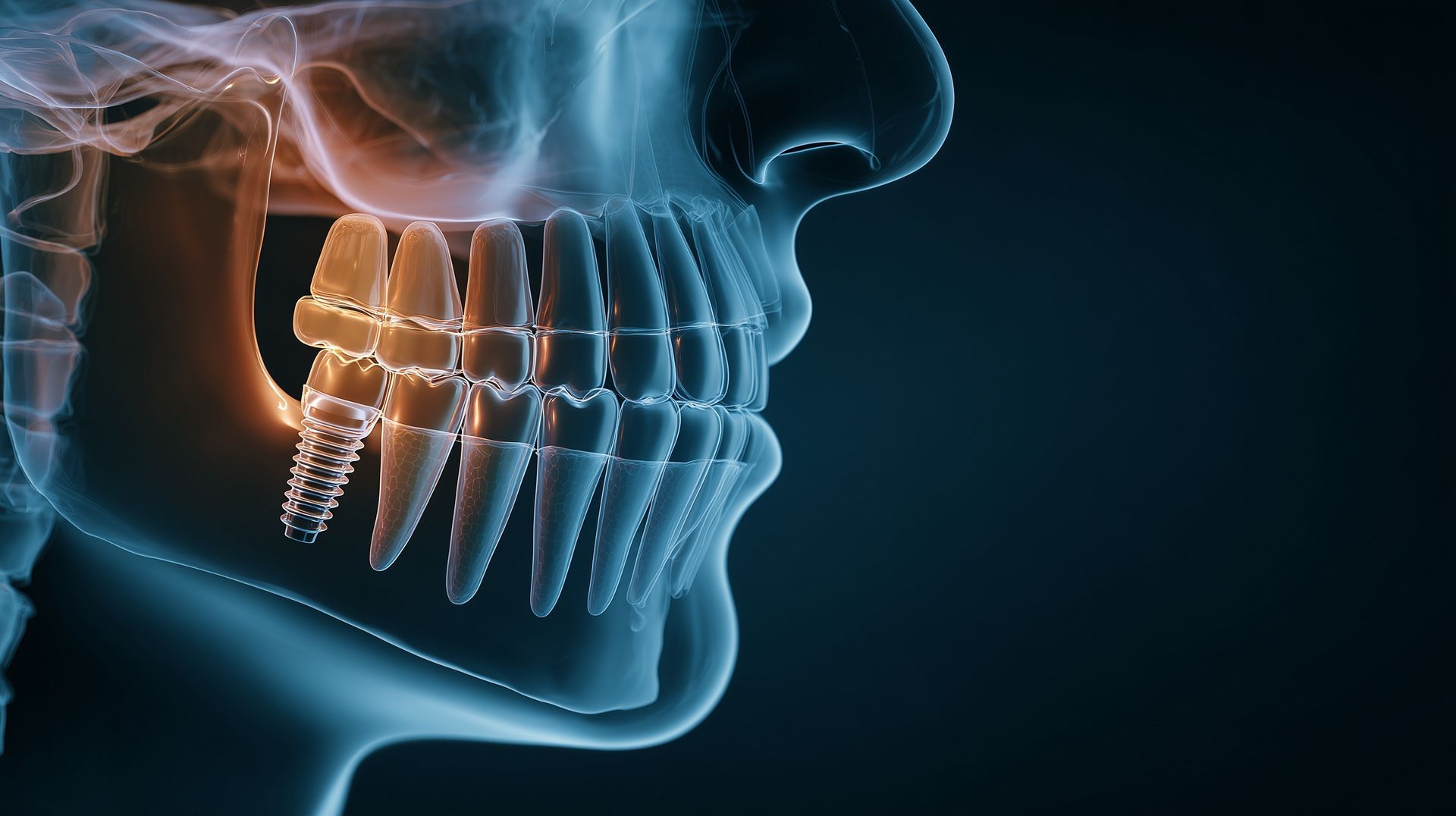
While only a dentist or periodontist can diagnose the cause, patients often feel movement in one of three areas:
• The crown:
The most common issue. The crown may loosen from wear or due to a loosened screw.
• The abutment:
The small connector between the implant and crown can loosen over time.
• The implant post itself:
This is the most serious case and may indicate implant failure, bone loss, or infection.
Regardless of what’s shifting, mobility always requires professional attention.
4. Call a Seattle Periodontist or Implant Dentist Immediately
If your dental implant feels loose, schedule an appointment right away. In Seattle, implant specialists can quickly assess the cause using digital imaging and gentle testing.
Early treatment often means:
- Tightening or replacing a loose screw
- Recementing or adjusting a crown
- Treating inflammation around the implant
- Preventing further bone loss
- Preserving the implant before serious complications develop
Delaying the appointment can increase the risk of infection or implant failure.
5. Avoid Hard or Sticky Foods Until Your Appointment
Anything that puts pressure on the implant—including chewy bagels, nuts, caramels, or tough meats—can worsen the problem. Stick to softer foods and chew on the opposite side of your mouth.
6. Watch for Additional Symptoms
If you notice swelling, bleeding, pain, or a bad taste around the implant site, you may be experiencing peri-implantitis (a gum infection around the implant). These symptoms make it even more important to seek immediate care.
7. Keep Up With Good Oral Hygiene
Continue brushing and flossing around the area, but do so gently. Cleanliness helps minimize bacteria if inflammation is present and reduces the risk of complications before your dental visit.
When a Loose Implant Becomes an Emergency
A loose implant isn’t always a dental emergency, but it is always urgent. If the implant feels like it’s moving significantly or causing pain, it’s best to contact your Seattle periodontist the same day.
Most loose implants can be saved when treated early, especially if the issue is limited to the crown or abutment. The key is not waiting.
Worried About a Loose Dental Implant? Contact Our Seattle Periodontal Team Today.
If your dental implant feels loose, we’re here to help. Our Seattle practice uses advanced imaging and implant diagnostics to determine the cause—often saving the implant before the issue becomes severe.
Reach out today to schedule a prompt evaluation and protect your long-term oral health.