Tooth Sensitivity Near the Gumline: What It Really Means
Why That “Zing” Pain Matters More Than You Think
Tooth sensitivity near the gumline is one of the most common complaints among dental patients—and one of the most misunderstood. That quick, sharp “zing” sensation often happens when you drink something cold, bite into something sweet, or even breathe in cool Seattle air on your morning walk.
While occasional sensitivity isn’t uncommon, regular pain near the gumline typically points to a bigger underlying issue, especially if you’ve noticed gum recession, exposed roots, or inflammation. For many Seattle patients, sensitivity is the first warning sign of gum disease or structural damage that needs professional care.
Let’s break down what that sensitivity really means and what you can do about it.
Common Causes of Gumline Sensitivity
Several dental conditions can cause pain or sensitivity where the tooth meets the gum. The most frequent include:
1. Gum Recession
If your gums pull away from the teeth, the root surface becomes exposed. Since roots don’t have enamel for protection, they are much more sensitive to temperature and pressure.
2. Enamel Wear
Aggressive brushing, acidic foods and drinks, and nighttime grinding can erode enamel near the gumline, exposing the sensitive dentin underneath.
3. Gingivitis or Periodontal Disease
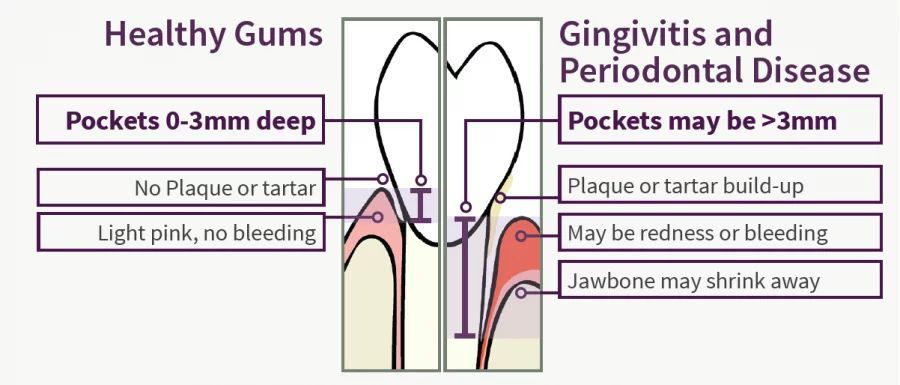
Inflamed gum tissue can cause tenderness and sensitivity. As gum disease progresses, the pockets deepen and can expose more of the root.
4. Toothbrush Abrasion
Brushing too hard or using a hard-bristled toothbrush can create notches in the tooth near the gumline called abfraction lesions, which often cause significant sensitivity.
5. Dental Decay at the Gumline
Cavities can form right along the gumline, especially in patients with dry mouth or high sugar intake. These lesions are often hidden and can be painful when stimulated.
What Your Gumline Sensitivity May Indicate:
| Symptom You Notice | Likely Cause | What It Means |
|---|---|---|
| Sharp pain when drinking cold beverages | Exposed dentin from recession or enamel loss | Root surface is unprotected and sensitive |
| Gumline looks uneven or pulled back | Gum recession | Gums may be receding due to brushing habits or gum disease |
| Pain when brushing near a specific tooth | Toothbrush abrasion or gum inflammation | Tissue may be irritated or worn down |
| Sensitivity to sweet foods | Gumline cavity | Possible decay at the cervical (neck) of the tooth |
| Lingering dull ache | Gum infection or deeper decay | Could indicate active periodontal disease |
When to See a Periodontist
If sensitivity near the gumline is happening often—or getting worse—it’s a sign you should be evaluated by a dental professional, especially a periodontist. In Seattle, many patients discover that their gumline sensitivity was the first indicator of:
- Early gum disease
- Moderate gum recession
- Loose or thinning gum tissue
- Hidden cavities or root exposure
- Bite-related stress on specific teeth
A periodontist can assess the health of your gum tissue, measure pocket depth, and recommend the right treatment—whether that means deep cleaning, gum grafting, desensitizing treatments, or addressing bite issues.
Finding Relief From Gumline Sensitivity
Here are some steps that often help reduce sensitivity while you’re waiting for care:
- Use a soft-bristled toothbrush
- Switch to toothpaste for sensitive teeth
- Avoid overly acidic drinks (Seattle coffee lovers—consider less lemon in your tea!)
- Brush gently in circular motions
- Schedule a periodontal evaluation if symptoms persist
Ready to Address Gumline Sensitivity?
If sensitivity near the gumline is disrupting your daily routine, Aurora Dental Care in Seattle can help you find the cause—and long-lasting relief. Our periodontal services are designed to protect your smile and keep discomfort from becoming a bigger issue.