When Should Your Child Have an Orthodontic Evaluation?
Parents often assume that an orthodontic visit should wait until every baby tooth has fallen out. An earlier evaluation can provide useful information about how the teeth and bite are developing, even when treatment is not needed yet.
The American Association of Orthodontists recommends a first checkup with an orthodontist by age seven. If you notice a concern before then, you can ask about an evaluation sooner. The purpose is to understand development and timing, not to put every young child in braces.
Why look while baby teeth are still present?
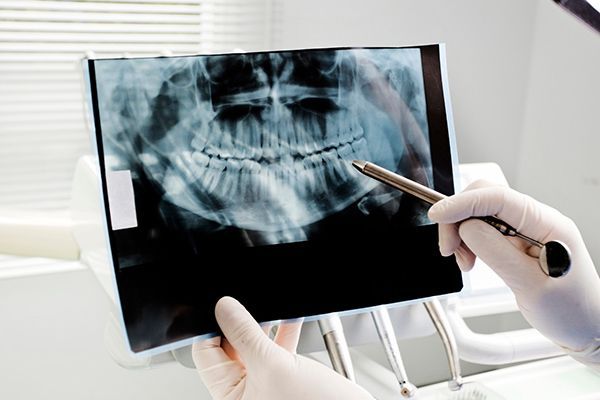
A mix of baby and permanent teeth offers an opportunity to assess how teeth are emerging and how the upper and lower arches meet. The AAO explains that an early examination can identify a developing problem and help determine when any treatment should begin.
Aurora Dental Care's orthodontic services include early treatment options. Ask the office how to arrange an appropriate assessment for your child's age and concerns.
What should parents mention?
You do not have to diagnose an orthodontic problem yourself. Tell the dental team about observations such as difficulty biting, crowded or unusually spaced teeth, an uneven bite, or concerns about the timing of tooth loss. Mention any ongoing oral habits and previous dental injuries.
A photo may help you explain what you noticed, but it cannot replace a clinical evaluation. If your child has pain, seek a dental assessment rather than assuming the cause is simply teeth moving or growing.
An evaluation does not always lead to treatment
The next step may be observation, a follow-up appointment, or a discussion of treatment. Ask the provider to explain which finding is being monitored and what change would prompt action.
If early treatment is recommended, ask what it is intended to accomplish now and what may still be needed later. A first phase of care should not be presented as a guarantee that a child will never need additional orthodontic treatment.
Prepare your child for a useful first visit
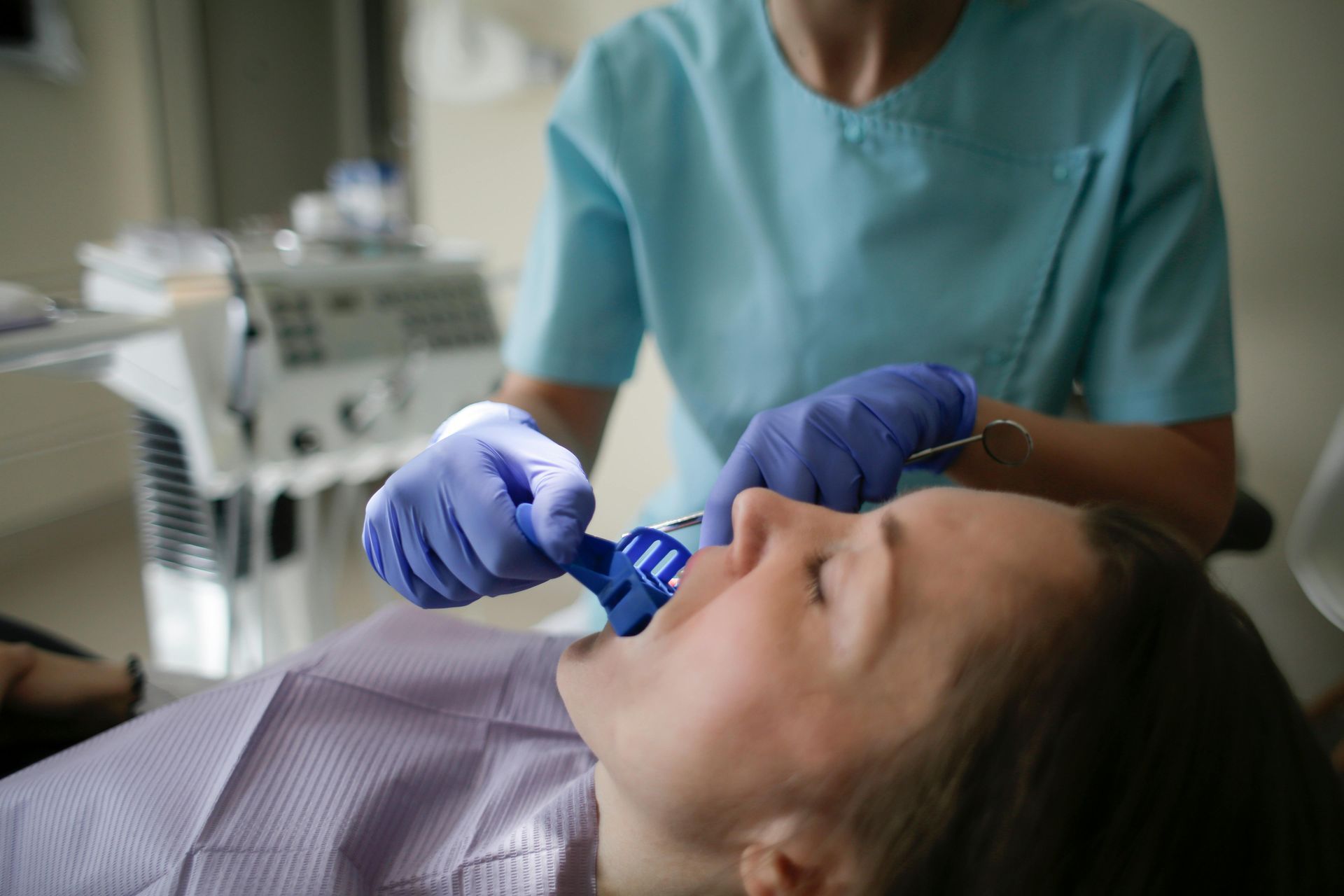
Keep the explanation simple: the dental team will look at how the teeth fit together and discuss how the smile is growing. Avoid promising that there will be no instruments, images, or discomfort; instead, encourage your child to ask questions and tell the team if something feels unfamiliar.
- Bring relevant dental records if the office requests them.
- Write down when you first noticed the concern.
- List health conditions, medications, allergies, and previous dental treatment.
- Ask what will happen during the appointment before you arrive.
For a child who feels nervous, let the team know in advance. A calm, clear explanation is often more useful than a long discussion of what treatment might involve in the future.
Questions to ask before agreeing to a plan
Start with, “What problem are we trying to address, and why is this the right time?” Ask about the alternatives, the expected duration, appointment frequency, and what participation is required at home.
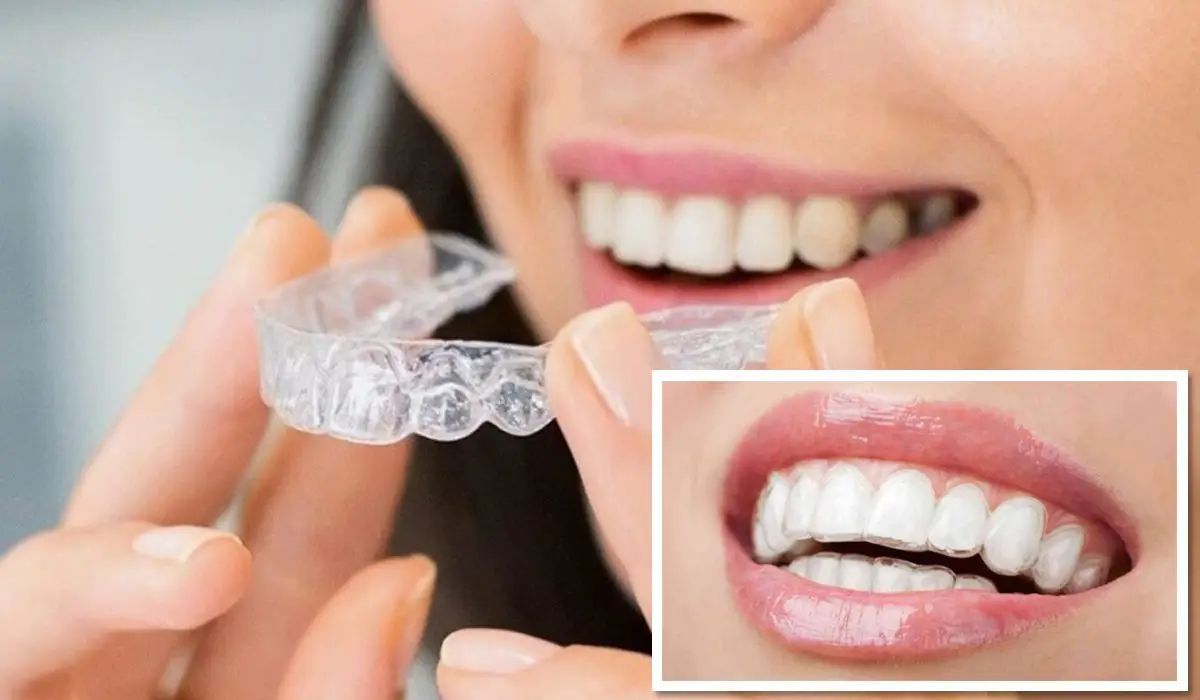
If appliances are proposed, discuss cleaning, school routines, sports, and what to do if something breaks. If the recommendation is monitoring, make sure you know when to return. A written plan helps families keep the details straight.
Should we stop regular dental checkups during orthodontic care?
No. Keep up with general and family dental care. Orthodontic visits do not replace preventive examinations and cleaning.
What if my child is already older than seven?
You can still arrange an evaluation. Share your concerns and ask what options are appropriate at your child's current stage of development.
Plan the next step in Greenwood
Aurora Dental Care helps Seattle families explore orthodontic options, including braces. Contact our Greenwood office at (206) 729-0273 to ask about an evaluation and learn what to expect.