Dental Bridge vs. Implant: Options for Replacing One Missing Tooth
When one tooth is missing, a dental bridge and a dental implant may both appear on your list of options. Each can replace the visible tooth, but they rely on different kinds of support. The condition of the neighboring teeth, gums, and jawbone helps determine which approach makes sense.
At Aurora Dental Care in Greenwood, the goal of a consultation is to compare a plan for your mouth rather than declare one option best for every patient.
How a traditional dental bridge works
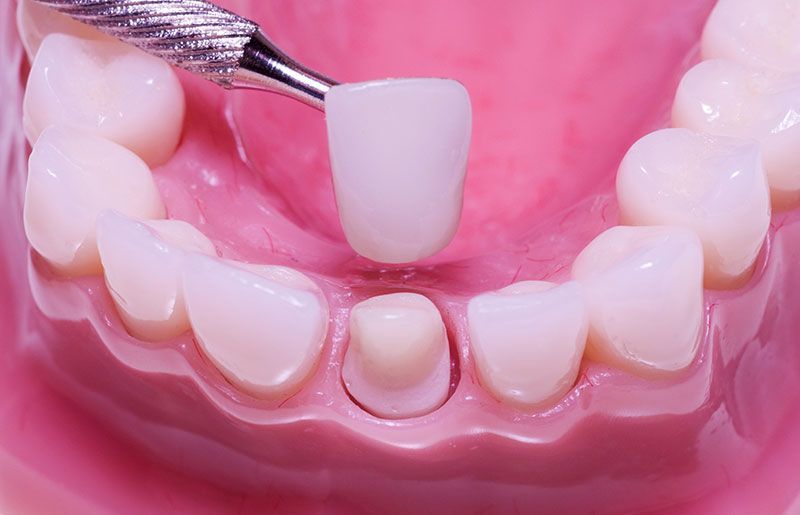
A traditional dental bridge replaces the missing tooth with an artificial tooth connected to restorations on supporting teeth. In a conventional design, those neighboring teeth are prepared for crowns. Other bridge designs may be considered in selected circumstances.
A useful question is whether the teeth next to the gap already need substantial restorative work. Their health, existing fillings, and ability to support a bridge all matter. A bridge does not eliminate the need to care for those supporting teeth.
How a single-tooth implant works
A dental implant is placed in the jawbone and supports a replacement crown through a connector. This approach can replace a tooth without using adjacent natural teeth as the main support.
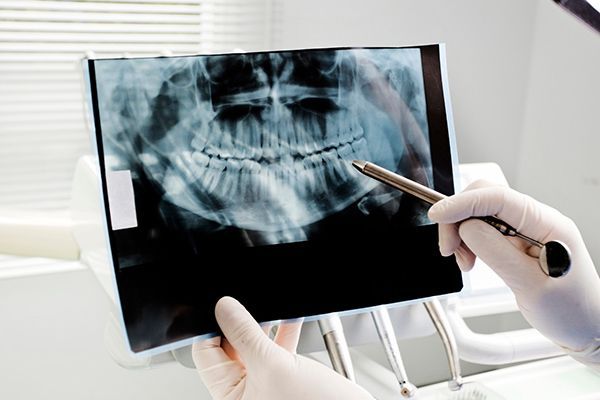
Implant planning includes an assessment of available bone, gum health, medical history, and healing considerations. Some people need preparatory treatment. Placement and restoration may occur over several stages; a fast timeline advertised for another patient may not apply to you.
Compare the questions that affect your decision
- Neighboring teeth: Are they healthy, heavily restored, or in need of crowns themselves?
- Gum and bone health: Is disease controlled, and is there suitable support for the proposed treatment?
- Procedure preferences: Are you comfortable discussing surgery and healing, or would you like to explore a nonsurgical replacement option?
- Time: What are the expected appointments, and what would fill the gap during treatment?
- Maintenance: Can you clean around and beneath the proposed restoration consistently?
These questions work together. A shorter treatment timeline is only helpful if the option is clinically suitable. Likewise, avoiding changes to neighboring teeth may be valuable, but it does not remove the need to assess implant candidacy.
Ask for a complete estimate
Compare the full proposed treatment rather than a single price for a bridge or implant. Ask whether the estimate includes imaging, temporary restorations, preparatory procedures, the final crown or bridge, and follow-up visits. Insurance coverage depends on the plan and should be checked individually.
Also ask what future maintenance might involve. Both choices can require repairs or replacement over time. Neither should be described as a maintenance-free or guaranteed lifetime solution.
Daily care still matters
Your dental team should show you how to clean the replacement and surrounding tissues. A bridge needs cleaning around its supports and beneath the artificial tooth. An implant also requires attention to the gumline and regular professional review.
Continue dental cleanings and examinations on the schedule recommended for you. If you have a history of gum disease, ask how periodontal maintenance fits into your replacement plan.
Can an implant always replace a missing tooth?
No. Your oral and general health, anatomy, and treatment goals affect suitability. Sometimes additional preparation or a different option is recommended.
Is a bridge removable?
A fixed bridge stays in place and is removed by a dental professional when necessary. Ask your dentist which design is being proposed, since patients sometimes use the word “bridge” for different appliances.
Explore tooth replacement in North Seattle
If a missing tooth is affecting eating or your confidence, schedule a consultation with Aurora Dental Care. Call (206) 729-0273 to discuss a bridge, implant, and any other appropriate options for your smile.