Seattle’s tech industry is known for innovation, fast-moving projects, long screen hours, and high-pressure deadlines. While many people associate job stress with headaches, fatigue, or poor sleep, it can also affect your mouth. For tech professionals in Seattle, stress may contribute to teeth grinding, jaw tension, dry mouth, gum inflammation, and skipped oral health routines.
At Aurora Dental Care, we often remind patients that oral health is connected to daily habits, overall wellness, and stress levels. If your workday includes back-to-back video calls, late-night launches, tight deadlines, or constant concentration, your teeth and gums may be feeling the effects.
How Stress Shows Up in Your Mouth
Stress does not always cause oral health problems directly, but it can create conditions that make problems more likely or harder to control. Research has connected psychological stress with periodontal health concerns, including inflammatory changes that may affect the gums.
For people in demanding tech roles, stress-related oral health issues often appear in a few common ways.
Teeth Grinding and Jaw Clenching
One of the most common oral signs of stress is bruxism, which means grinding, clenching, or gnashing the teeth. The National Institute of Dental and Craniofacial Research explains that bruxism can happen while awake or asleep.
For tech workers, awake clenching can happen during deep focus, debugging, design reviews, sprint planning, or tense meetings. You may not notice it in the moment, but your jaw muscles and teeth can feel the impact later.
Common signs of stress-related clenching include:
- Morning jaw soreness
- Tooth sensitivity
- Headaches near the temples
- Flattened or worn tooth edges
- Tightness in the jaw, face, or neck
- Clicking or discomfort when opening the mouth
Mayo Clinic notes that awake bruxism may be associated with emotions such as stress, anxiety, anger, frustration, or tension.
Gum Health and Inflammation
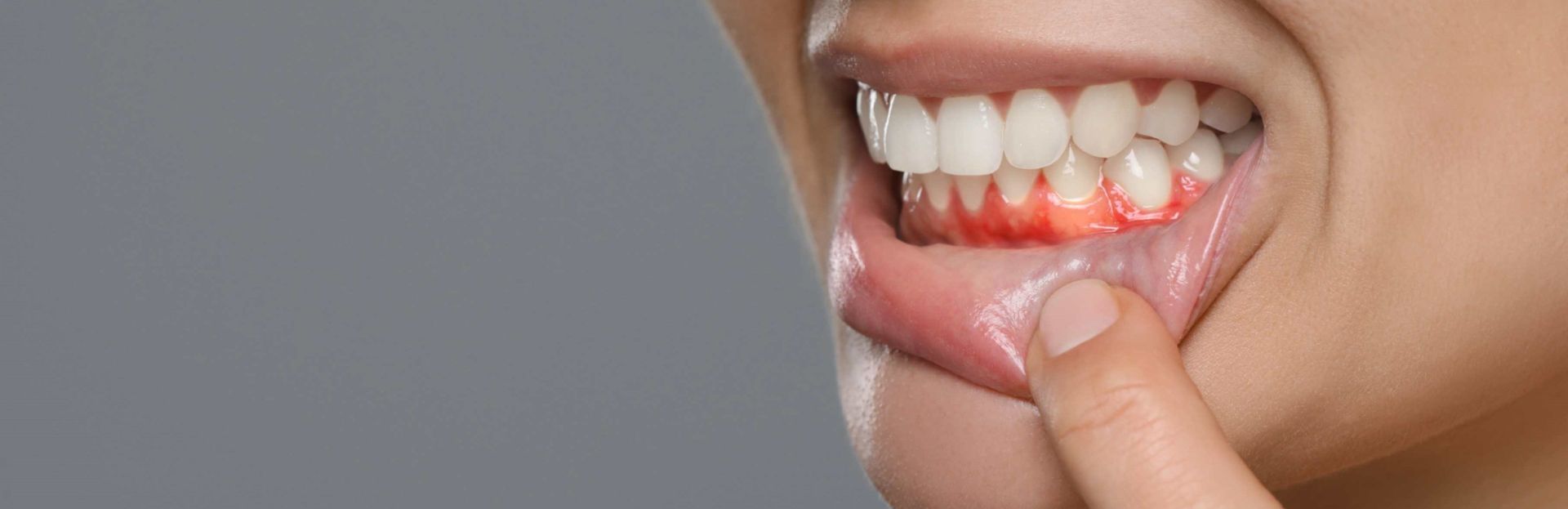
Stress can also affect gum health. When stress is ongoing, it may influence immune response, inflammation, sleep quality, and daily routines. That matters because gum disease is driven by bacteria, inflammation, and the body’s response to plaque buildup.
For Seattle patients already dealing with gingivitis or periodontitis, stressful seasons at work may make it harder to stay consistent with brushing, flossing, hydration, nutrition, and dental visits. Over time, this can allow plaque and tartar to build up around the gumline.
Signs of gum problems may include:
- Bleeding when brushing or flossing
- Puffy, red, or tender gums
- Gum recession
- Persistent bad breath
- Spaces forming between teeth
- Loose-feeling teeth
- Deep gum pockets found during a dental exam
If these symptoms appear, it is important to schedule an evaluation instead of waiting for them to go away.
Dry Mouth During Long Workdays
Dry mouth can also be connected to stress, hydration habits, caffeine intake, certain medications, and long periods of focused work. The ADA notes that dry mouth can range from mild discomfort to a condition that may compromise oral health, diet, and quality of life.
For tech professionals, dry mouth may happen when the day includes too much coffee, too little water, high stress, or long stretches of talking on calls. Saliva helps wash away food particles, neutralize acids, and support a healthier oral environment. When the mouth stays dry, teeth and gums may become more vulnerable.
Simple habits can help, including drinking water throughout the day, limiting frequent sugary or acidic drinks, and talking with your dentist if dry mouth is persistent.
Skipped Routines and Stress Eating
A demanding tech schedule can make basic oral care feel like one more task on the list. Late nights, deadline pushes, and irregular meals may lead to skipped brushing, rushed flossing, frequent snacking, energy drinks, or extra coffee.
These habits can raise the risk of:
- Plaque buildup
- Cavities
- Gum irritation
- Bad breath
- Tooth sensitivity
- Acid erosion
- Periodontal flare-ups
The problem is not one stressful day. The issue is when stress changes your daily routine for weeks or months at a time.
Screen Time, Posture, and Jaw Tension
Many tech workers spend hours seated at a desk, looking down at a laptop, leaning toward a monitor, or holding tension in the neck and shoulders. That physical tension can carry into the jaw.
You may notice yourself clenching during:
- Code reviews
- Product launches
- Investor or leadership meetings
- High-stakes client calls
- Troubleshooting outages
- Long periods of concentration
A helpful reset is to keep your lips closed, teeth slightly apart, and tongue resting gently against the roof of the mouth. Your teeth should not be touching unless you are chewing.
How to Protect Your Oral Health During Stressful Work Seasons
Small changes can make a meaningful difference, especially when they become part of your workday routine.
1. Keep Water at Your Desk
Hydration supports saliva flow and helps reduce dry mouth. Try keeping water nearby during long blocks of meetings or focus time.
2. Watch Your Caffeine and Energy Drink Habits
Coffee is part of Seattle work culture, but sipping coffee or acidic drinks all day can expose teeth to repeated acid and sugar. Try drinking water between caffeinated beverages.
3. Set a Jaw Check Reminder
A simple calendar reminder or smartwatch prompt can help you notice whether you are clenching. When it goes off, relax your jaw, drop your shoulders, and take a few slow breaths.
4. Do Not Ignore Bleeding Gums
Bleeding gums are common, but they are not something to brush off. They may be an early sign of gingivitis or a more advanced periodontal issue.
5. Ask About a Night Guard if You Grind
If you wake up with jaw soreness or your dentist sees tooth wear, a custom night guard may help protect your teeth from grinding damage. Mayo Clinic also notes that stress or anxiety management may help some people reduce grinding behaviors.
6. Stay Current With Dental Cleanings and Periodontal Care
Professional cleanings and
periodontal maintenance help remove plaque and tartar that home care cannot fully address. For patients with gum disease, staying on schedule is especially important.
When Seattle Patients Should Schedule a Dental Visit
You should consider scheduling an appointment if you notice:
- Bleeding gums
- Gum recession
- Persistent bad breath
- Tooth sensitivity
- Jaw pain or tightness
- Morning headaches
- Worn, chipped, or flattened teeth
- Dry mouth that does not improve
- A change in how your bite feels
These symptoms do not always mean something serious is happening, but they are worth checking. Early care can often prevent small issues from becoming more complex.
Periodontal Care for Seattle Professionals
At Aurora Dental Care in Seattle, we help patients understand how stress, habits, gum health, and overall wellness connect. For patients in tech and other high-pressure fields, our goal is to identify oral health risks early and create a practical care plan that fits real life.
Whether you are dealing with gum inflammation, teeth grinding, dry mouth, or signs of periodontal disease, our team can help you protect your smile long term.