Daily Habits That Help Protect Your Gums Long-Term
Small daily routines can make a big difference in preventing gum irritation, plaque buildup, and long-term periodontal problems.
Healthy gums are built through consistency. Brushing twice a day, cleaning between your teeth daily, eating a balanced diet, avoiding tobacco, and keeping regular dental visits are all recommended habits for protecting gum health over time.
For Seattle patients, especially those balancing busy schedules in Greenwood and nearby neighborhoods, the goal is not perfection. The goal is a simple routine you can actually maintain.
Why Gum Health Deserves Daily Attention
Your gums protect the bone and tissue that support your teeth. When plaque sits along the gumline, it can irritate the tissue and contribute to gingivitis, the earliest stage of gum disease. Redness, swelling, tenderness, and bleeding while brushing or flossing can be signs that your gums need attention.
The good news is that many early gum problems can improve with better home care and professional dental cleanings. More advanced gum disease, however, may require periodontal treatment, which is why early action matters.
| Daily Habit | Why It Helps | How Often | Practical Tip |
|---|---|---|---|
| Brush gently with a soft-bristled toothbrush | Removes plaque along the gumline without scrubbing aggressively enough to irritate gums | Twice daily | Use small circles and angle the bristles toward the gumline rather than brushing hard back and forth |
| Clean between your teeth | Removes plaque and food particles where toothbrush bristles cannot reach | Once daily | Use floss interdental brushes soft picks or a water flosser depending on what feels easiest to use consistently |
| Rinse after coffee snacks or acidic drinks | Helps clear sugars acids and debris before they sit around the gumline | After meals snacks or drinks when brushing is not convenient | Keep water nearby during busy Seattle workdays commutes or coffee stops |
| Watch for bleeding swelling or tenderness | Helps you notice early gum changes before they become more serious | Daily during brushing and flossing | Do not ignore bleeding that continues after a week or two of consistent gentle cleaning |
| Avoid smoking and vaping | Supports healthier gum tissue and lowers a major risk factor for gum disease | Every day | Ask your dental or medical provider for support if quitting feels difficult |
| Eat gum-friendly meals and limit frequent sugar | Provides nutrients that support oral tissues while reducing plaque-feeding snacks | Daily | Pair meals with water and choose crunchy vegetables lean proteins dairy or calcium-rich alternatives when possible |
| Manage dry mouth | Saliva helps wash away food particles and supports a healthier oral environment | Daily | Drink water regularly and ask your dentist about dry mouth if medications allergies or mouth breathing are an issue |
| Keep periodontal maintenance or cleaning visits | Allows your dental team to remove tartar check gum pockets and catch changes early | As recommended by your dentist or periodontist | Patients with a history of gum disease may need periodontal maintenance more often than standard six-month cleanings |
1. Brush Gently, Not Aggressively
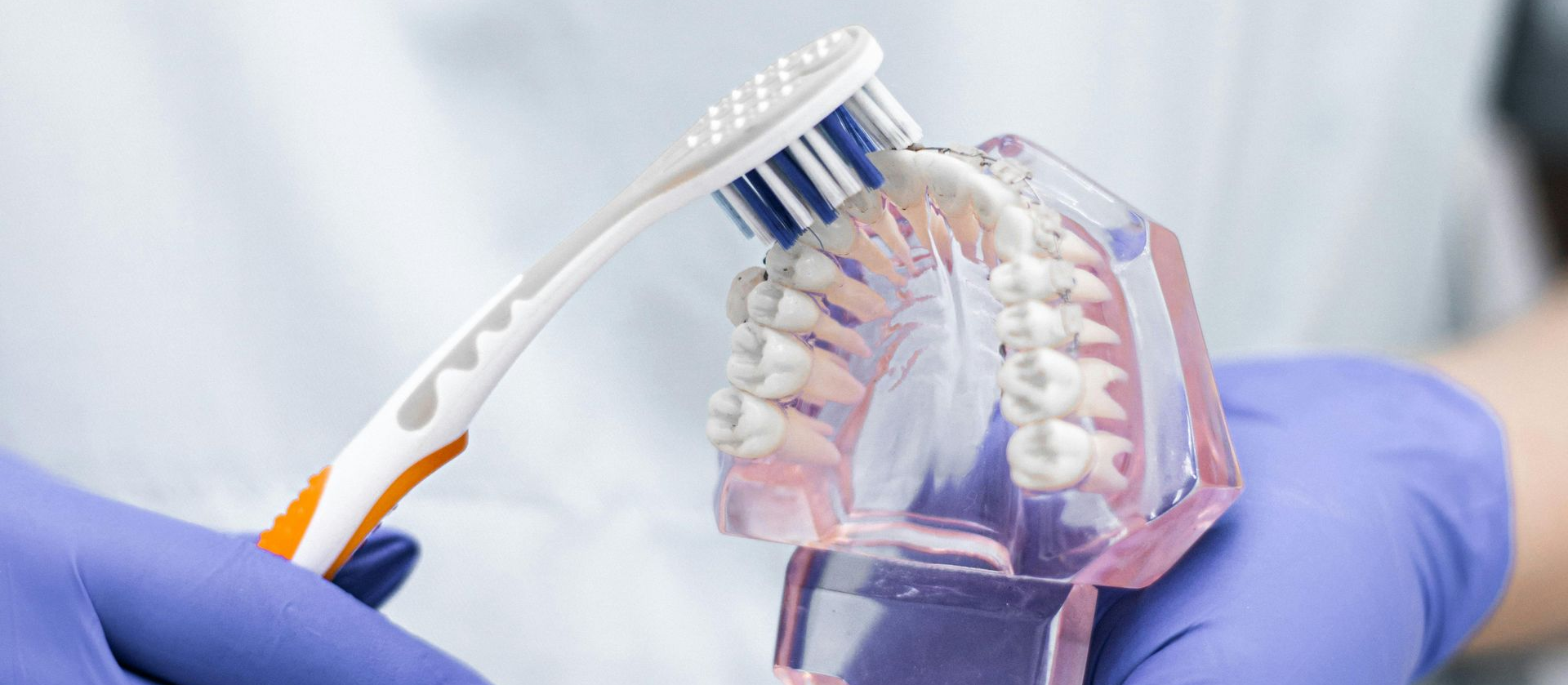
Brushing harder does not mean brushing better. In fact, aggressive brushing can irritate gum tissue and contribute to recession over time. A soft-bristled toothbrush and gentle, thorough technique are usually best for daily gumline cleaning.
The American Dental Association recommends brushing twice daily with fluoride toothpaste, and Mayo Clinic also recommends brushing for two minutes with a soft-bristled brush.
For best results, focus on where the teeth meet the gums. Tilt the toothbrush slightly toward the gumline and use controlled, circular motions instead of a hard back-and-forth scrubbing motion.
2. Clean Between Your Teeth Every Day
Your toothbrush cannot fully clean the tight spaces between your teeth. That is where floss, interdental brushes, soft picks, or water flossers can help. The most effective tool is the one you will use consistently.
Daily interdental cleaning helps remove plaque before it hardens into tartar. Once tartar forms, it typically needs to be removed during a professional cleaning.
3. Pay Attention to Bleeding Gums
Occasional irritation can happen, especially if you are restarting a flossing habit. But gums that bleed regularly should not be ignored. Bleeding, redness, swelling, and tenderness can be early signs of gingivitis or gum disease.
If your gums continue to bleed after you have been brushing gently and cleaning between your teeth consistently, schedule a dental visit. A dentist or periodontist can check for plaque buildup, gum pocketing, inflammation, recession, or other issues.
4. Drink More Water Throughout the Day
Seattle’s coffee culture is hard to avoid, but sipping coffee, tea, sparkling drinks, or sweetened beverages throughout the day can leave acids and sugars around the gumline. Water helps rinse away debris and supports saliva flow.
A simple habit is to drink water after coffee, snacks, or meals when brushing is not realistic. This is especially helpful during workdays, commutes, and busy routines around Greenwood, Ballard, Phinney Ridge, and North Seattle.
5. Avoid Tobacco and Be Careful With Vaping
Smoking is one of the major risk factors for gum disease, and the CDC recommends not smoking as part of gum disease prevention.
Tobacco use can also make it harder to notice gum problems because it may affect bleeding and healing. If you smoke or vape, let your dental team know. They can monitor your gums more closely and recommend supportive steps without judgment.
6. Support Gum Health With Better Nutrition
A balanced diet supports your immune system and the tissues that help keep teeth stable. Frequent sugary snacks and drinks can feed plaque bacteria, while nutrient-rich meals can better support your mouth and overall health.
Try to build meals around lean proteins, vegetables, fruits, whole grains, and calcium-rich foods or alternatives. If you snack often, drink water afterward and avoid letting sugary or sticky foods sit around your teeth and gums for long periods.
7. Manage Dry Mouth
Dry mouth can make your mouth feel sticky, uncomfortable, or more prone to plaque buildup. It may be connected to medications, allergies, mouth breathing, dehydration, or certain health conditions.
If you regularly wake up with dry mouth or feel like you need water constantly, bring it up at your next dental visit. Your provider may recommend hydration strategies, saliva-supporting products, or a review of contributing factors.
8. Keep Up With Cleanings and Periodontal Maintenance
Even excellent brushing and flossing cannot remove hardened tartar. Regular dental cleanings help keep the gumline healthier and allow your dental team to catch early changes before they become more serious.
Patients with a history of gum disease may need periodontal maintenance instead of a standard cleaning schedule. Periodontal maintenance visits are designed to monitor gum pockets, reduce bacterial buildup, and help protect long-term tooth support.
When to Schedule a Gum Health Evaluation
Consider scheduling an appointment if you notice:
- Bleeding when brushing or flossing
- Red, swollen, or tender gums
- Gum recession or teeth that look longer
- Persistent bad breath
- Loose teeth or changes in your bite
- Pain while chewing
- A history of gum disease, smoking, diabetes, or dry mouth
CDC lists smoking, diabetes, poor oral hygiene, stress, certain medications, genetics, grinding, hormonal changes, and poor nutrition as risk factors for periodontal disease.
Protect Your Gums With Help From Aurora Dental Care
Long-term gum health is about small habits repeated every day, along with professional care when you need it. At Aurora Dental Care in the Greenwood neighborhood of Seattle, our team helps patients understand their gum health, improve home routines, and receive appropriate periodontal care when warning signs appear.
If you live in Greenwood or the surrounding Seattle area and have noticed bleeding gums, gum recession, tenderness, or ongoing inflammation, schedule a gum health evaluation with Aurora Dental Care.