Why Dental Implant Costs Vary in Washington
Dental implant costs in Seattle, Greenwood, and throughout Washington State can vary for several reasons. A straightforward single-tooth implant is different from replacing several teeth, restoring bone loss, or planning a full-arch implant solution.
One of the biggest factors is
bone health. If a tooth has been missing for a long time, the jawbone may shrink in that area. Mayo Clinic notes that implant treatment can involve several stages, including tooth removal, bone grafting when needed, implant placement, healing, abutment placement, and the final artificial tooth. More steps usually mean more time and a higher total investment.
Gum health also matters. Periodontists specialize in the diagnosis, treatment, and prevention of gum disease as well as the surgical placement of dental implants. If active gum disease is present, it may need to be treated before implant placement so the implant has a healthier foundation.
Common Factors That Can Increase Implant Cost
1. The Number of Teeth Being Replaced
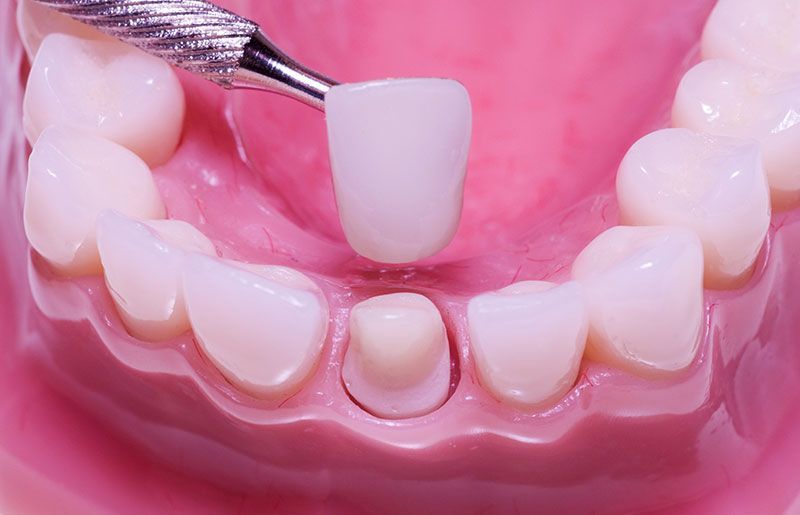
A single implant is priced differently than an implant-supported bridge or a full-arch restoration. Replacing one missing tooth may require one implant, one abutment, and one crown. Replacing several teeth may require multiple implants or a different restorative design.
2. Bone Grafting or Sinus Lift Needs
If there is not enough healthy bone to support the implant, bone grafting may be recommended. This adds a separate procedure, healing time, and material cost. It may also improve the stability and long-term outlook of the implant.
3. Gum Disease Treatment Before Implant Placement
Patients with bleeding gums, deep periodontal pockets, or bone loss may need periodontal treatment first. This can include deep cleaning, periodontal maintenance, or surgical treatment depending on the severity of the condition.
4. The Type of Final Restoration
A single crown, implant bridge, snap-in denture, and full-arch implant restoration are all different. The number of teeth replaced, the materials used, and the lab work involved all affect the final price.
5. Location and Provider Experience
Dental care costs can vary by region. Seattle-area pricing may differ from costs in smaller Washington communities because of overhead, lab costs, technology, and specialist involvement.
Does Dental Insurance Cover Implants in Washington?
Sometimes, but not always. Delta Dental of Washington notes that some plans offer implant coverage, while others treat implants as elective and may not cover them at all. Coverage depends on the plan details, why the implant is needed, and the extent of treatment.
Washington’s Office of the Insurance Commissioner explains that dental insurance may cover areas such as oral surgery, diagnostic services, and preventive care, but the specific benefits depend on the plan.
Washington Healthplanfinder also notes that eligible households can enroll in dental plans alongside qualified health plans.
Before starting implant treatment, ask your dental office to help you review:
- Annual maximums
- Waiting periods
- Missing tooth clauses
- Implant exclusions
- Crown or prosthetic coverage
- Bone grafting coverage
- Pre-authorization requirements
Even when insurance helps, many patients still have out-of-pocket costs because implants often exceed annual dental benefit maximums.
Why the Lowest Implant Price Is Not Always the Best Value
Dental implants are a long-term investment in your health, comfort, chewing ability, and confidence. Choosing the lowest advertised price may not tell the whole story. Some prices only include the implant post, while others include the implant, abutment, crown, imaging, or follow-up visits.
It is important to ask what is included before comparing estimates. A lower upfront price may not include the final crown, extractions, grafting, sedation, or periodontal treatment.
It is also important to protect the implant after placement. The American Academy of Periodontology explains that implants do not get cavities, but they can still be affected by gum and bone loss, making regular home care and professional dental visits important.
Questions to Ask Before Choosing Dental Implants
Before moving forward, ask your dentist or periodontist:
- Does my estimate include the implant, abutment, and crown?
- Will I need a tooth extraction first?
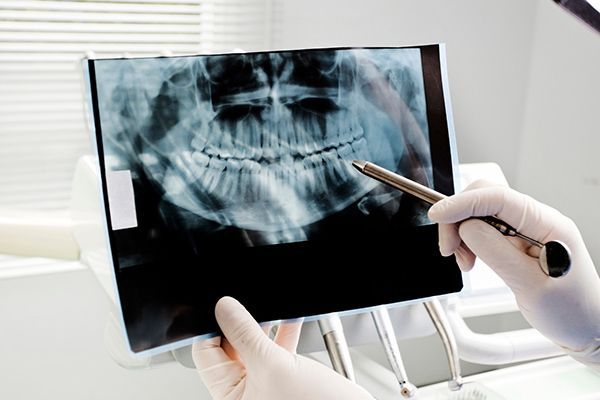
- Do I have enough bone for implant placement?
- Is bone grafting recommended?
- Do I have gum disease that should be treated first?
- What type of crown or restoration will be used?
- How many appointments should I expect?
- What portion may be covered by insurance?
- Are payment options available?
- What maintenance will I need after the implant is restored?
These questions help you compare treatment plans more accurately and avoid surprises.
Dental Implant Planning in Seattle’s Greenwood Neighborhood
For patients in Seattle, Greenwood, Phinney Ridge, Ballard, Green Lake, Northgate, and nearby neighborhoods, implant cost should be considered alongside long-term oral health. A successful implant plan starts with understanding your gums, bone structure, bite, and overall dental goals.
At Aurora Dental Care, implant planning focuses on more than replacing a missing tooth. The goal is to create a stable, natural-looking result that supports your oral health for years to come. For some patients, that may mean a straightforward single implant. For others, it may involve treating gum disease, rebuilding bone, or comparing implant options with bridges or dentures.
The Bottom Line on Dental Implant Costs in Washington State
Dental implant costs in Washington State can vary widely, but most patients should think beyond the advertised price. The true cost depends on the number of teeth being replaced, your gum and bone health, the type of restoration, insurance coverage, and the experience of the dental team.
A personalized consultation is the best way to understand your options, your timeline, and your expected investment. If you are missing a tooth or have been told you may need an extraction, scheduling an implant evaluation can help you make a confident, informed decision about your smile.