
Dental Crown or Filling? How Dentists Decide Which Your Tooth Needs
A tooth needs a repair, but does it need a filling or a crown? The answer depends on how much healthy tooth remains and what the restoration needs to do. A small cavity and a tooth with a large, failing filling can look similar in a mirror while requiring very different treatment.
At Aurora Dental Care in Seattle's Greenwood neighborhood, a restorative evaluation gives you a chance to understand the problem, compare suitable options, and ask why a particular repair is recommended.
What does a filling do?
A filling replaces a damaged area within a tooth. After removing decay, the dentist restores the space with an appropriate material. Tooth-colored composite fillings blend with the surrounding tooth and can be useful when enough sound structure remains to support the repair.
The important question is not simply whether a space can be filled. It is whether the repaired tooth will have adequate support when you bite and chew. The location and size of an old filling can influence that assessment.
Why might a crown be recommended instead?
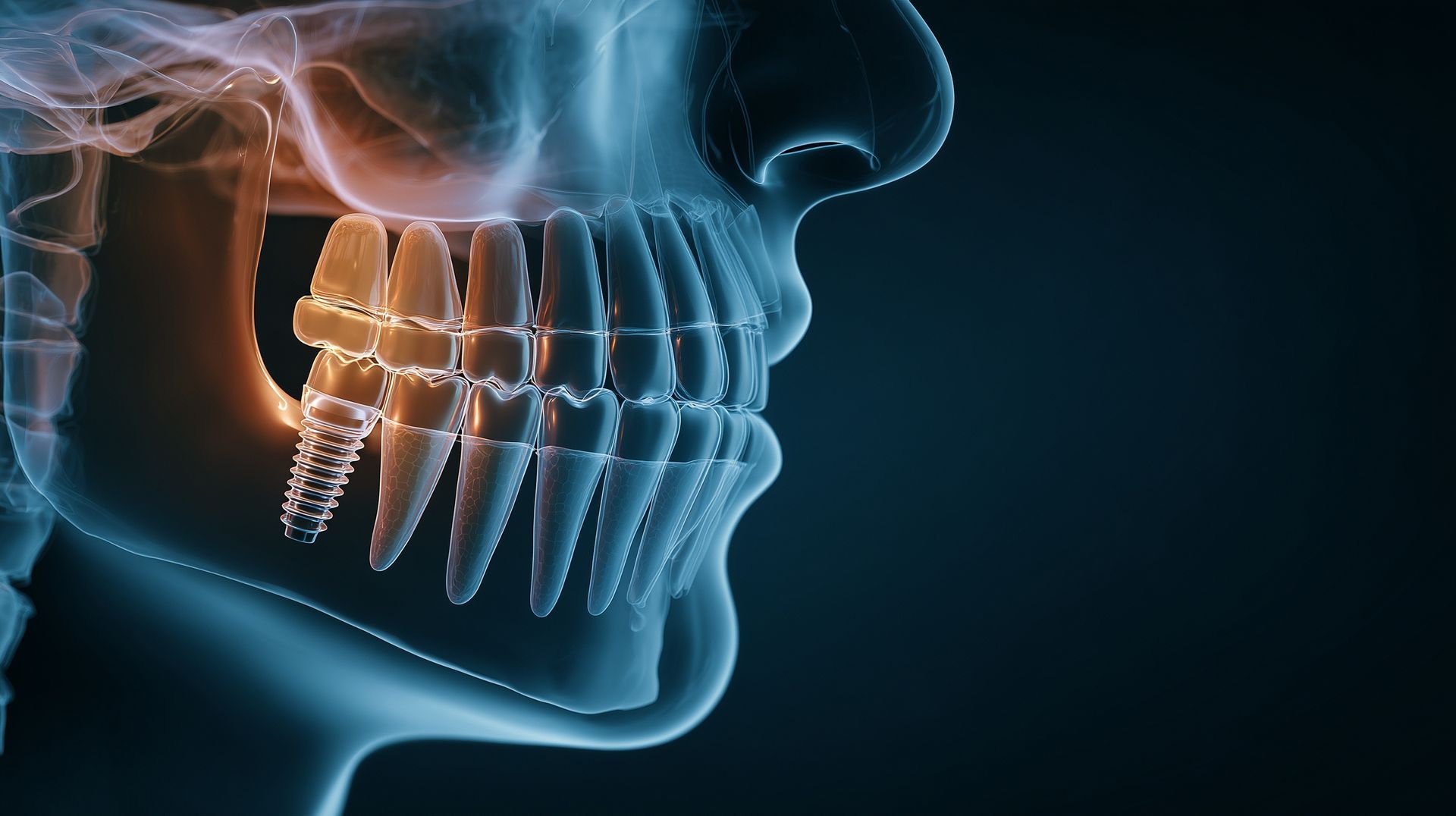
A dental crown covers the prepared tooth rather than filling only one area. The American Dental Association identifies several uses for crowns, including protecting weakened teeth, restoring broken teeth, and supporting teeth with large fillings when little natural structure remains.
A recommendation for a crown does not automatically mean that you need a root canal. Those treatments address different concerns. A root canal treats the tissue inside the tooth; a crown restores and protects its outer structure. Sometimes both are appropriate, but an examination is needed to determine that.
What your dentist evaluates
- Remaining tooth structure: How much healthy tooth will remain after damaged material is removed?
- Existing restorations: Is an older filling intact, or is there new decay or damage around it?
- Cracks and symptoms: Do your examination findings, bite tests, and symptoms suggest a deeper problem?
- Function: Where is the tooth, and what forces does it experience during chewing?
- Long-term care: Can the proposed restoration be maintained effectively with your home-care routine?
X-rays may help answer some questions, but they are part of an assessment rather than a substitute for examining the tooth. Your dentist may also explain that the final plan depends on findings during treatment.
Could an inlay or onlay be an option?
Not every restoration fits neatly into a filling-versus-crown choice. Dental inlays and onlays are custom restorations used in selected situations. An onlay can cover one or more chewing cusps without covering the tooth in exactly the same way as a full crown.
Ask whether one is appropriate for your particular tooth. A more conservative restoration is useful only when it can provide the support the tooth needs.
Questions worth asking before treatment
Request an explanation you can picture: “Can you show me which part of the tooth is damaged?” Follow with questions about alternatives, expected appointments, temporary restorations, and what could happen if treatment is delayed. Ask for a written estimate and clarification of insurance benefits before making financial plans.
Can a large filling simply be replaced?
Sometimes. However, repeatedly replacing a filling may leave less natural tooth to support it. The condition of the tooth matters more than the fact that it previously had a filling.
Will the restoration last forever?
No restoration comes with a lifetime guarantee. Daily cleaning, regular examinations, your bite, and changes in the tooth can affect maintenance and replacement needs.
Discuss your restoration options in Greenwood
If you have a damaged tooth or questions about a recommended crown, explore our restorative dentistry services or contact Aurora Dental Care at (206) 729-0273. We can evaluate the tooth and help you understand the next step.