
Root Canal or Tooth Extraction? Understanding Your Treatment Options
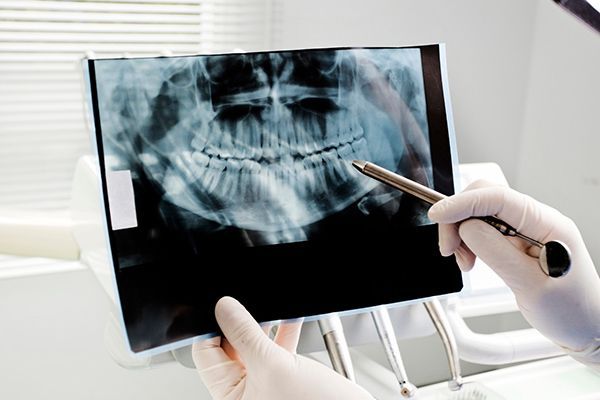
If a tooth is infected or badly damaged, you may wonder whether a root canal or extraction is the better choice. The most useful starting question is whether the tooth can be predictably restored and maintained.
Pain alone cannot answer that question. A very painful tooth may be treatable, while a tooth with little discomfort may have extensive damage. At Aurora Dental Care in Greenwood, an examination helps clarify the diagnosis and the options available.
What root canal treatment is intended to do
Root canal treatment addresses infected or inflamed tissue inside a tooth. The canals are cleaned, treated, and sealed, and the tooth then needs an appropriate final restoration.
The American Association of Endodontists encourages patients to explore ways to retain a natural tooth when that is clinically feasible. Keeping the tooth may avoid the need to replace it, but successful planning includes both treatment inside the tooth and restoration of the remaining structure.
Why extraction may sometimes be recommended
A tooth may not have enough sound structure for a reliable restoration, or a fracture or loss of supporting tissues may make its outlook poor. Tooth extraction can be appropriate when retaining the tooth is not a reasonable option.
Ask your dentist to explain the specific finding behind the recommendation. If the options are uncertain, you can ask whether assessment by an endodontist, a specialist in treating the inside of teeth, would be helpful.
Compare the complete plans
A meaningful comparison goes beyond “root canal” versus “pulling the tooth.” Ask what each route includes from the first visit through follow-up.
- If saving the tooth: What restoration will be needed afterward, and what is the expected outlook?
- If removing the tooth: Should the space be replaced, and what options are appropriate?
- For either approach: What visits, healing considerations, and costs should you plan for?
- For your symptoms: What needs attention now, and what can be decided after the urgent problem is addressed?
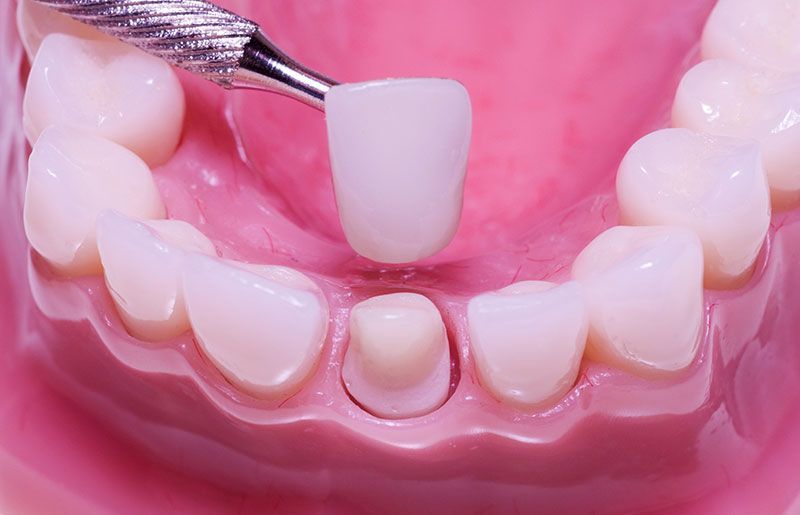
Some teeth need a crown after root canal treatment. After extraction, a bridge, implant, or other plan may be discussed depending on the tooth and your situation. Request estimates that account for the proposed follow-up care.
Talk openly about comfort
If fear is influencing your decision, tell the team. Ask how the area will be numbed, what you might feel, and what to do if you need a pause. You can also discuss whether additional anxiety management is suitable.
Do not choose extraction simply because you assume it must be painless or easier. Both options are procedures with recovery instructions, and the best comparison is based on your examination and treatment goals.
Do not ignore signs of infection
Persistent tooth pain, a gum swelling, or a bad taste can have several causes and should be assessed. Seek urgent dental advice for swelling or suspected infection. Difficulty breathing or swallowing, severe or spreading facial or neck swelling, or other serious symptoms require emergency medical care; call 911 when necessary.
A dental abscess does not resolve by simply waiting for pain to fade. Medication may be part of a treatment plan, but it does not necessarily replace treatment of the source.
Does a root canal guarantee that I can keep the tooth forever?
No. Ask about the prognosis, the remaining structure, and the required restoration. Continued care and monitoring are important.
Will I automatically need an implant after extraction?
No. Replacement planning is individualized. Ask about the benefits and limitations of each suitable option before deciding.
Get a clear explanation of your options
For tooth pain or questions about saving a tooth, contact Aurora Dental Care at (206) 729-0273. Our Seattle team can evaluate the problem and discuss appropriate next steps, including restorative care.