Scaling and Root Planing Explained: What to Expect During Deep Cleaning
If your dentist or periodontist has recommended scaling and root planing, you might be wondering what “deep cleaning” really means—and why it’s necessary. While the name may sound intimidating, scaling and root planing is a highly effective, minimally invasive treatment that helps stop gum disease and prevent more serious complications like bone loss or tooth loss.
Below, we break down exactly what the procedure involves, why it’s done, and what you can expect before, during, and after your appointment.
What Is Scaling and Root Planing?
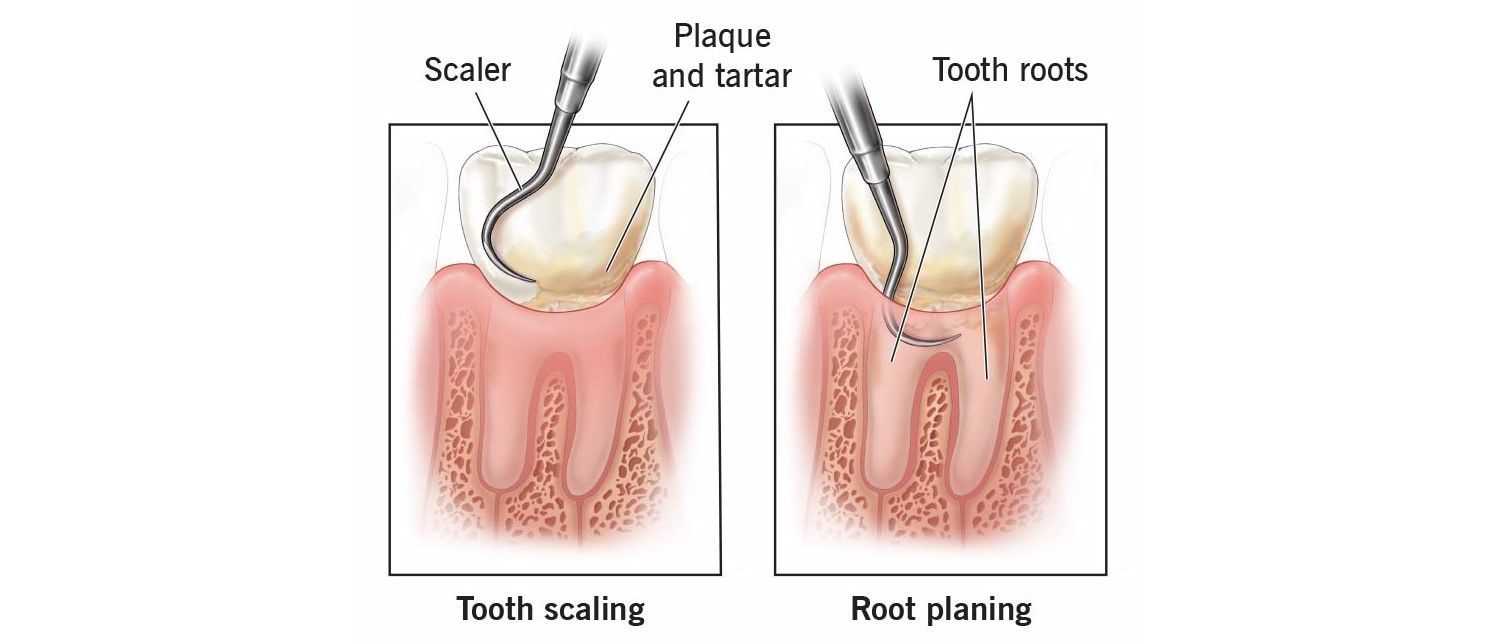
Scaling and root planing (SRP) is a deep cleaning procedure used to treat periodontal disease, especially when gum pockets have deepened beyond what a routine dental cleaning can address. The process removes hardened plaque (tartar), bacteria, and infection from below the gumline—where toothbrushes and floss can’t reach.
SRP is the gold standard for treating early to moderate gum disease and can help stabilize your oral health without surgery.
Why Scaling and Root Planing Is Necessary
Gum disease begins when plaque hardens into tartar and causes inflammation. When this happens:
- Gums pull away from teeth, forming deep pockets
- Bacteria thrive inside these pockets
- Inflammation leads to bone and tissue loss if untreated
- Routine cleanings cannot reach the buildup below the gumline
Scaling and root planing removes these bacteria, helping your gums heal and reattach to the tooth roots. The earlier gum disease is treated, the easier it is to reverse or manage.
What to Expect Before Your Appointment
Before beginning deep cleaning, your dentist or periodontist will:
1. Perform a Periodontal Exam
They’ll measure the depth of the gum pockets—anything over 4 mm typically requires scaling and root planing.
2. Take X-Rays if Needed
X-rays help identify bone loss and areas where infection is progressing.
3. Discuss Comfort Options
Most deep cleanings are done with local anesthetic to numb the gums. Some patients may also choose nitrous oxide or oral sedation if they feel anxious.
What Happens During Scaling and Root Planing
The procedure is usually divided into two or four visits, depending on the severity of gum disease.
1. Scaling: Removing Tartar Below the Gumline
Your dental professional uses ultrasonic tools and hand instruments to:
- Remove plaque and tartar above and below the gums
- Clean all the way down to the bottom of the pockets
- Eliminate bacteria that cause inflammation
This step helps stop the infection from progressing.
2. Root Planing: Smoothing the Tooth Roots
After scaling, the roots of the teeth are gently smoothed to:
- Allow the gums to reattach
- Make it harder for bacteria to collect in the future
- Promote long-term gum health
Root planing is essential for preventing pockets from deepening again.
Is the Procedure Painful?
Most patients report little to no discomfort during scaling and root planing thanks to local anesthetic. After the procedure, you might experience:
- Mild soreness for a couple of days
- Slight tooth sensitivity
- Temporary gum tenderness
These symptoms are normal and usually improve quickly with proper aftercare.
What to Expect After Scaling and Root Planing
Healing begins immediately, and many patients notice healthier, less inflamed gums in just a few weeks.
Common Post-Treatment Guidelines:
- Avoid spicy or crunchy foods for the first 24–48 hours
- Use warm saltwater rinses to soothe gums
- Brush gently and avoid aggressive flossing
- Take OTC pain relievers if needed
- Follow any instructions provided by your dentist or periodontist
Your provider will schedule a follow-up appointment to check healing and measure pocket depth improvements.
The Importance of Periodontal Maintenance After SRP
After scaling and root planing, routine cleanings are no longer enough. Patients with gum disease need periodontal maintenance cleanings every 3–4 months to prevent bacteria from returning and pockets from deepening.
Skipping maintenance appointments allows gum disease to progress again—undoing the benefits of your deep cleaning.
When to Contact a Periodontist
You should reach out to a periodontist if you:
- Have pockets deeper than 5 mm
- Notice bleeding or swollen gums
- Have persistent bad breath
- Experience gum recession
- Were told you have early or moderate gum disease
Early intervention makes treatment easier and more successful.
Final Thoughts
Scaling and root planing is one of the most effective ways to treat gum disease without surgery. By removing deep tartar buildup and helping the gums heal, this treatment protects your smile, prevents further damage, and sets you up for long-term oral health.
If you’ve been told you need a deep cleaning, don’t worry—this procedure is common, safe, and essential for stopping gum disease in its tracks.