The Link Between Gum Disease and Heart Health
How Oral Inflammation and Periodontal Disease Influence Your Heart Health
When most people think about gum disease, they picture bleeding gums, bad breath, or loose teeth. But research continues to show that the impact of periodontal disease goes far beyond your mouth. In fact, many studies have linked gum inflammation to serious cardiovascular conditions. Understanding how your oral and heart health connect can help you make informed decisions about your overall well-being.
How Gum Disease Starts
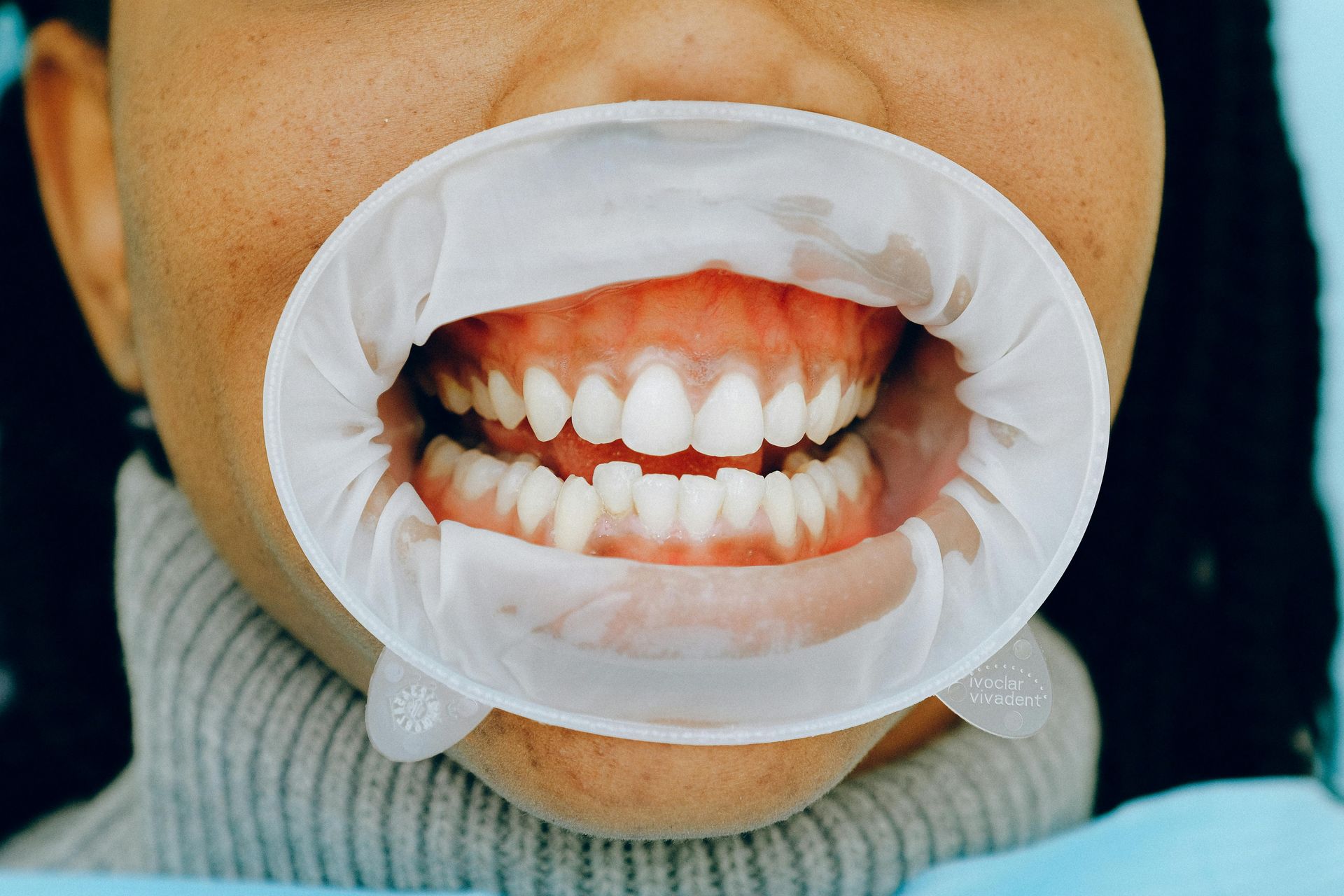
Gum disease begins when harmful bacteria accumulate around the gumline, causing inflammation known as gingivitis. If left untreated, this inflammation can progress into periodontitis — a more serious form of gum disease that affects the bone and tissues supporting your teeth.
Common early signs include:
- Red or swollen gums
- Bleeding when brushing or flossing
- Persistent bad breath
- Gum recession
- Loose teeth
These symptoms may seem small, but the inflammation they create can have widespread effects on the body.
The Gum–Heart Connection Explained
Chronic Inflammation
Periodontitis is a chronic inflammatory condition. When inflammation persists over time, it can strain the immune system and increase inflammation throughout the body. Systemic inflammation is a known risk factor for:
- Heart disease
- Atherosclerosis (plaque buildup in arteries)
- Stroke
Bacteria Entering the Bloodstream
When gums are inflamed or infected, oral bacteria can more easily enter the bloodstream. Once circulating, these bacteria may contribute to the formation of plaque in arteries, increasing cardiovascular risk.
Shared Risk Factors
Certain lifestyle and health factors increase the likelihood of both gum disease and heart disease:
- Smoking
- Poor nutrition
- Diabetes
- Obesity
- High stress levels
- Aging
This overlapping risk profile further strengthens the connection between the two conditions.
What the Research Shows
While gum disease doesn’t directly cause heart disease, studies consistently show a strong association between the two. People with periodontal disease may have:
- A higher risk of heart attack
- Increased likelihood of stroke
- Worsened outcomes for existing cardiovascular conditions
Researchers believe ongoing inflammation, combined with bacterial spread, plays a significant role.
How Taking Care of Your Gums Protects Your Heart
You can’t control every aspect of cardiovascular health, but improving your oral health is a powerful—and often overlooked—step.
Healthy Daily Habits
- Brush twice a day with fluoride toothpaste
- Floss or use interdental cleaners daily
- Rinse with an antimicrobial mouth rinse (if recommended)
- Stay consistent with dental checkups and cleanings
Professional Periodontal Care
If you have signs of gum disease, treatments like scaling and root planing, periodontal maintenance, and soft tissue therapy can significantly reduce inflammation and improve gum health.
Lifestyle Improvements
Supporting your periodontal health also involves:
- Eating a balanced diet
- Limiting sugar
- Avoiding tobacco
- Managing stress
These habits benefit your heart as much as your smile.
Who Is Most at Risk?
You may have a higher risk of gum-related cardiovascular complications if you:
- Have diabetes
- Smoke
- Have a family history of heart disease
- Have been diagnosed with periodontitis
- Rarely floss or receive professional cleanings
- Experience chronic gum inflammation
If any of these apply, monitoring your gum health is especially important.
When to See a Periodontist
Consider scheduling a visit with a periodontist if you notice:
- Frequent gum bleeding
- Receding gums
- Loose or shifting teeth
- Persistent bad breath
- Gum tenderness
- A history of heart complications paired with oral health issues
Early diagnosis and treatment can protect both your oral and systemic health.
Final Thoughts
The link between gum disease and heart health is real—and it’s more important than ever to take gum inflammation seriously. By maintaining healthy gums, you’re not just preventing tooth loss; you’re reducing your risk for serious long-term health conditions.
If you’re concerned about your gum health or you’re experiencing symptoms of periodontal disease, scheduling an evaluation is a proactive step toward protecting your smile and your heart.