What Seattle Patients Need to Know About Gum Health
If you’ve ever brushed your teeth and noticed pink in the sink, you’re not alone.
Bleeding gums are one of the most common oral health concerns people search for online, often before scheduling a dental appointment. While it may seem minor, bleeding gums are almost always a sign that something more serious is happening beneath the surface.
At
Aurora Dental Care
in Seattle, WA, we help patients every day who are experiencing gum sensitivity, inflammation, and bleeding. The good news? In many cases, this symptom is highly treatable—especially when addressed early.
Let’s explore the most common causes and what you can do to protect your gum health.
Is It Normal for Gums to Bleed When Brushing?
No—bleeding gums are not normal.
Healthy gums should not bleed during brushing, flossing, or eating.
Bleeding is your body’s way of signaling:
- Inflammation
- Infection
- Irritation
- Underlying gum disease
The sooner you address it, the easier the treatment and prevention will be.
Top Reasons Your Gums May Be Bleeding
Here are the most common causes we see at our Seattle dental office:
1. Gingivitis (Early Gum Disease)
This is the number one cause of bleeding gums. Gingivitis happens when plaque builds up along the gumline and triggers inflammation. Symptoms include:
- Red or swollen gums
- Bleeding during brushing or flossing
- Bad breath
- Gum tenderness
With professional cleanings and improved home care, gingivitis is
100% reversible.
2. Periodontitis (Advanced Gum Disease)
If gingivitis is left untreated, it can progress into
periodontitis, a more serious condition that affects the bone and tissues supporting your teeth.
Signs include:
- Persistent bleeding
- Gum recession
- Bad breath that doesn’t go away
- Loose teeth
- Deep pockets around teeth
Periodontitis requires specialized care, often from a
Seattle periodontist. At Aurora Dental Care, we offer advanced periodontal treatments including deep cleanings and laser gum therapy.
3. Brushing Too Hard
Many people assume “harder is better,” but overly aggressive brushing can damage your gums.
Warning signs of overbrushing:
- Bleeding
- Gum recession
- Tooth sensitivity
Switching to a soft-bristle brush and gentler technique usually helps.
4. Flossing Inconsistently
If you haven’t flossed regularly, your gums may bleed when you start again. This should improve within a few days as the gums adjust.
If bleeding continues longer than a week, it’s time for a dental exam.
5. Dry Mouth (Common in Seattle Winters)
Seattle’s winter weather and indoor heating can cause dry mouth. Without enough saliva, bacteria accumulate more easily, irritating your gums.
You may notice:
- Bleeding
- Soreness
- Inflammation
- Bad breath
Hydration and saliva-boosting products can help, but persistent dryness should be evaluated.
6. Medications
Certain medications increase bleeding risk, especially:
- Blood thinners
- Antihistamines
- Antidepressants
- Medications that cause dry mouth
If bleeding starts after a new prescription, let your dentist know.
7. Hormonal Changes
Pregnancy, puberty, menstruation, and menopause can all increase gum sensitivity. “Pregnancy gingivitis” is especially common.
If hormones are contributing, regular dental cleanings become even more important.
8. Vitamin Deficiencies
Low vitamin C or vitamin K levels can contribute to gum bleeding. While this is less common today, diet still plays a major role in gum health.
9. Smoking or Vaping
Nicotine restricts blood flow to the gums and weakens the immune response. Over time, this leads to inflammation and bleeding.
When Should You See a Dentist?
You should schedule an appointment if:
- Bleeding lasts longer than 7 days
- Your gums are painful or swollen
- You notice bad breath or a bad taste
- Your gums are receding
- You experience loose teeth
- Bleeding happens every time you brush
Bleeding gums almost always indicate a treatable issue—but waiting too long can allow gum disease to progress.
When Should You See a Dentist?
You should schedule an appointment if:
- Bleeding lasts longer than 7 days
- Your gums are painful or swollen
- You notice bad breath or a bad taste
- Your gums are receding
- You experience loose teeth
- Bleeding happens every time you brush
Bleeding gums almost always indicate a treatable issue—but waiting too long can allow gum disease to progress.
How We Diagnose Bleeding Gums at Aurora Dental Care
During your visit, we perform a thorough periodontal evaluation, including:
- Gum pocket measurements
- Plaque and tartar assessment
- Gum inflammation check
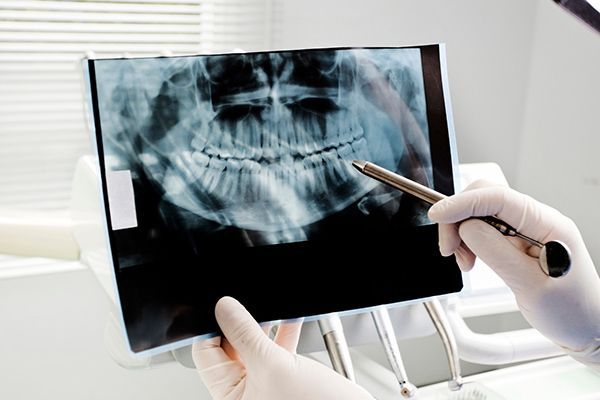
- Digital X-rays (to identify bone loss)
- Lifestyle and health review (medications, stress, habits)
This allows us to determine the exact cause and create a personalized treatment plan.
Treatment Options for Bleeding Gums
Depending on the severity, treatment may include:
1. Professional Dental Cleaning
Removes plaque and tartar from the gumline—a must for gingivitis.
2. Deep Cleaning (Scaling & Root Planing)
For moderate gum disease, this removes bacteria from below the gumline and helps gums reattach.
3. Laser Gum Therapy
A minimally invasive treatment that targets infection and helps reduce inflammation.
4. Improved Home Care Routine
We’ll review brushing, flossing, rinsing, and daily habits to strengthen your gums.
5. Lifestyle and Dietary Recommendations
Including hydration, stress reduction, and smoking cessation support. Early treatment can stop gum disease and bleeding before long-term damage occurs.
How to Help Prevent Bleeding Gums at Home
Here are simple daily habits that make a big difference:
✔ Use a soft-bristle toothbrush
✔ Brush gently for 2 minutes
✔ Floss once daily
✔ Drink plenty of water
✔ Rinse with an alcohol-free mouthwash
✔ Limit sugary snacks and drinks
✔ Reduce coffee and acidic beverages
✔ Maintain regular dental visits
Consistency is the key to healthy gums.
FAQs: Bleeding Gums