The Short Answer
Early gum disease can often be reversed. Advanced gum disease usually cannot be fully reversed, but it can often be stabilized and managed successfully. Gingivitis involves inflammation of the gums without permanent destruction of the supporting bone. Periodontitis goes deeper, affecting the tissues and bone that support your teeth. Once bone loss has occurred, the goal becomes stopping the infection, reducing pocket depth, and protecting your long-term oral health.
When Gum Disease Can Be Reversed
The reversible stage of gum disease is
gingivitis. At this point, your gums may look red or swollen, bleed when you brush or floss, and feel irritated, but the underlying support structures around the teeth have not yet been permanently damaged. With professional cleanings and improved home care, gingivitis can often be eliminated before it turns into something more serious.
That is why early treatment matters so much. Plaque that is not removed every day can harden into tartar, and tartar cannot be brushed away at home. Once that buildup remains along the gumline, inflammation can continue and the disease can progress. Catching the problem early gives you the best chance of getting your gums healthy again without more involved treatment.
When Gum Disease Is No Longer Fully Reversible
If gum disease advances to
periodontitis, the situation changes. Periodontitis is associated with destruction of the tissues and bone around the teeth. The CDC describes periodontitis as an irreversible condition, although it can often be slowed and managed with professional treatment. In practical terms, that means your dentist may be able to stop the infection, help your gums heal, and preserve your teeth, but lost bone and attachment do not simply grow back on their own.
This is the point where many patients say, “My teeth look longer,” “My gums are pulling back,” or “My bite feels different.” Those symptoms can happen because the gums and support around the teeth are changing. Even at this stage, treatment can make a major difference. The goal is to prevent further damage, improve comfort, and help you keep your natural teeth as long as possible.
Common Signs You Should Not Ignore
Gum disease is often quieter than people expect. The American Academy of Periodontology notes that symptoms can be silent until the disease is more advanced. Still, there are warning signs to watch for, including bleeding gums, redness, swelling, bad breath, gum recession, loose teeth, tooth sensitivity, and discomfort when chewing.
A lot of patients assume bleeding while brushing is normal, but it is usually a sign that the gums are inflamed. Healthy gums generally do not bleed with routine brushing and flossing. If you are seeing blood regularly, it is a smart idea to schedule an exam rather than waiting to see whether it goes away on its own.
How a Seattle Dentist Treats Gum Disease
Treatment depends on the stage and severity of the disease. If the issue is limited to gingivitis, a professional dental cleaning and better plaque control at home may be enough to reverse it. If deeper pockets have formed around the teeth, your dentist may recommend
scaling and root planing, often called a deep cleaning. This treatment removes plaque, tartar, and bacterial toxins from below the gumline and smooths the root surfaces to help the gums reattach more effectively.
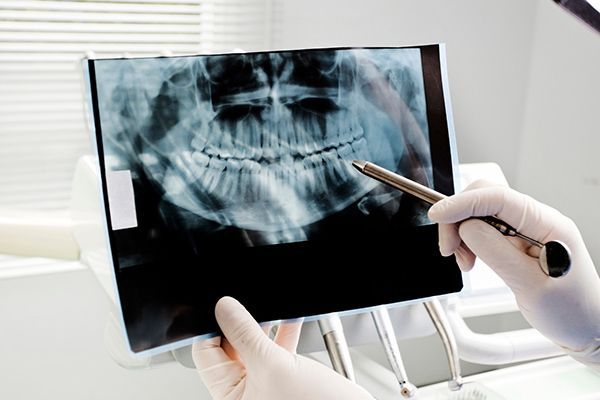
For more advanced cases, treatment may involve ongoing periodontal maintenance, closer monitoring, and sometimes referral to a periodontist. According to NIDCR, diagnosis may include measuring gum pockets, reviewing risk factors such as smoking or diabetes, and taking X-rays to check for bone loss. The main goal of treatment is to control the infection and protect the structures that support your teeth.
What You Can Do at Home
Home care matters at every stage. NIDCR recommends brushing twice a day with fluoride toothpaste, cleaning between the teeth regularly, seeing your dentist for routine visits, and quitting smoking. The ADA also emphasizes that good daily home care is essential for reducing the risk of gum disease and helping keep it from becoming more serious or coming back after treatment.
It is also important to understand that some patients face higher risk than others. NIDCR identifies smoking as a major risk factor and notes that diabetes, certain hormonal changes, and genetics can also play a role. That means two people with similar brushing habits may not have the same gum health outcome. Personalized dental care is often part of getting the condition under control.
So, Can Gum Disease Be Reversed?
Yes,
gingivitis can often be reversed with prompt professional care and consistent brushing and flossing.
Periodontitis cannot usually be fully reversed, but it can often be treated, stabilized, and managed before it leads to tooth loss. The sooner you act, the better your chances of preserving healthy gums and avoiding more complex treatment.
Final Thoughts for Seattle Patients
If your gums bleed, look puffy, or seem to be pulling away from your teeth, do not ignore it. Early gum disease is much easier to treat than advanced periodontitis. At Aurora Dental Care, we help Seattle patients identify the cause of their symptoms, understand whether the condition is reversible, and take the right next step before more damage occurs.