Gingivitis vs. Periodontitis: A Seattle Dentist Explains the Difference
Understanding the stages of gum disease can help Seattle patients protect their smiles and prevent long-term oral health complications.
What Is Gum Disease?
Gum disease is a common but often misunderstood condition that affects the tissues supporting your teeth. It begins with mild inflammation and can progress into a serious infection if left untreated. The two main stages are gingivitis and periodontitis—and knowing the difference can make a major impact on your oral health.
For patients in Seattle, where busy lifestyles and coffee culture can sometimes lead to overlooked dental habits, recognizing these stages early is especially important.
What Is Gingivitis?
Gingivitis is the earliest stage of gum disease and is typically caused by plaque buildup along the gumline.
Common Signs of Gingivitis:
- Red or swollen gums
- Bleeding when brushing or flossing
- Tenderness in the gums
- Persistent bad breath
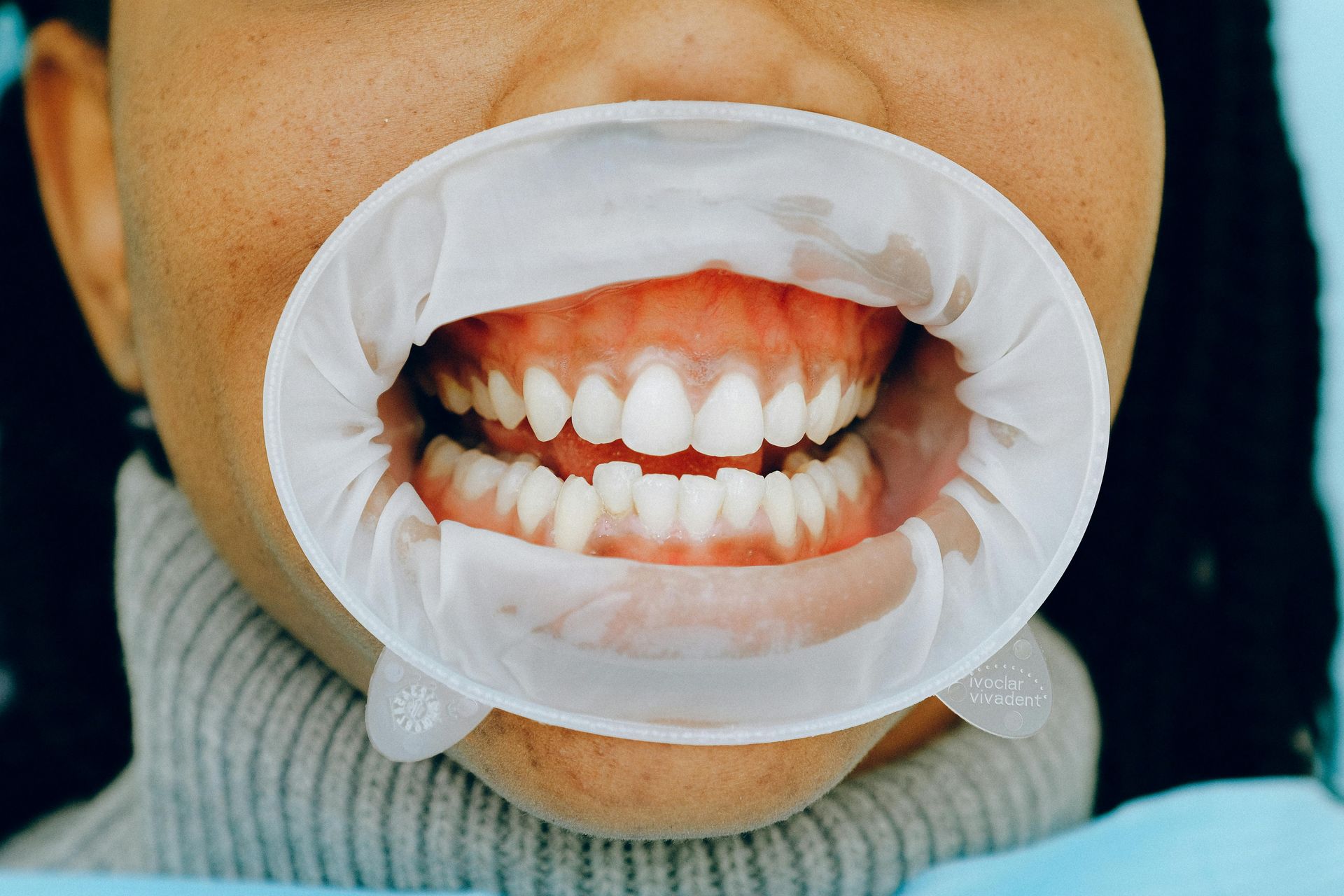
At this stage, the damage is reversible. With professional dental cleanings and improved at-home care, your gums can return to a healthy state.
Why It Matters
Many patients ignore gingivitis because it’s often painless. However, untreated gingivitis is the gateway to more serious periodontal issues.
What Is Periodontitis?
Periodontitis is a more advanced stage of gum disease that occurs when gingivitis is left untreated. At this point, the infection spreads below the gumline and begins to damage the bone supporting your teeth.
Common Signs of Periodontitis:
- Receding gums (teeth appear longer)
- Deep pockets between teeth and gums
- Loose or shifting teeth
- Pain when chewing
- Chronic bad breath
Unlike gingivitis, periodontitis is not fully reversible, but it can be managed with professional periodontal care.
Why It’s Serious
Periodontitis doesn’t just affect your mouth—it has been linked to systemic health issues like heart disease and diabetes. Early intervention is critical.
Key Differences Between Gingivitis and Periodontitis:
| Feature | Gingivitis | Periodontitis |
|---|---|---|
| Severity | Mild / Early Stage | Severe / Advanced Stage |
| Reversibility | Reversible with care | Irreversible (Manageable) |
| Tissue Damage | Inflammation only | Destruction of soft tissue |
| Bone Loss | None | Bone destruction occurs |
| Gum Pockets | None (Normal depth) | Deep pockets (4mm+) |
| Key Symptoms | Red, swollen, bleeding gums | Receding gums, loose teeth, chewing pain |
| Primary Treatment | Professional cleaning & improved hygiene | Scaling/Root Planing, antibiotics, surgery |
How Seattle Patients Can Prevent Gum Disease
Living in Seattle comes with its own lifestyle habits—coffee, wine, and busy schedules—that can contribute to plaque buildup. Fortunately, prevention is simple with consistency.
Daily Habits That Make a Difference:
- Brush twice a day with fluoride toothpaste
- Floss daily to remove plaque between teeth
- Use an antibacterial mouthwash
- Stay hydrated (especially important with coffee consumption)
- Schedule regular dental cleanings and exams
When Should You See a Dentist?
If you notice bleeding gums, bad breath, or gum sensitivity, don’t wait. These early warning signs are your body’s way of telling you something isn’t right.
Catching gum disease early can mean the difference between a simple cleaning and more advanced periodontal treatment.
Protect Your Smile with Proactive Care
Understanding the difference between gingivitis and periodontitis empowers you to take control of your oral health. With routine dental visits and good hygiene habits, Seattle patients can prevent minor gum irritation from becoming a serious issue.
If you’re experiencing symptoms or it’s been a while since your last dental checkup, now is the perfect time to take action and protect your long-term smile.