Hearing that you have gum disease can feel overwhelming, especially if you are not sure what treatment will involve. The good news is that not every case requires surgery. Gum disease can begin as gingivitis, which may be reversible with professional care and better home hygiene, but once it progresses to periodontitis, it cannot be fully reversed and instead must be managed to control infection, protect bone, and help prevent tooth loss. Common warning signs include red or bleeding gums, gum recession, loose teeth, painful chewing, and persistent bad breath.
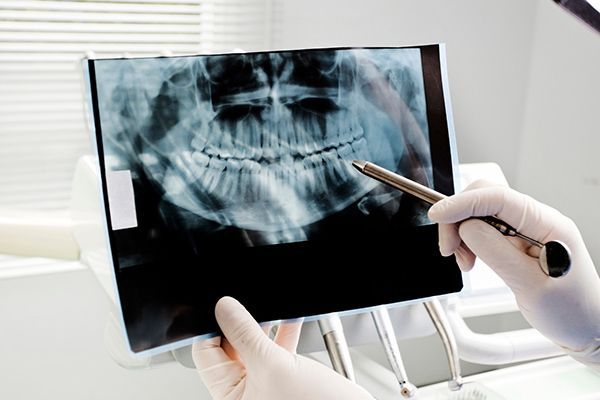
For many Seattle patients, the first question is simple: “Will I need surgery?” The answer depends on how advanced the disease is, how deep the gum pockets are, whether there is bone loss, and how your gums respond to initial treatment. Dentists and periodontists typically evaluate inflammation, pocket depth, medical history, and X-rays before recommending the right next step.
What Non-Surgical Gum Disease Treatment Usually Means
Non-surgical
gum disease treatment usually centers on
scaling and root planing, often called a deep cleaning. This treatment removes bacteria and hardened buildup from above and below the gumline, then smooths the tooth roots to make it harder for bacteria to collect again and easier for the gums to reattach to the teeth. In some cases, a dentist may also recommend a medicated rinse, a localized antibiotic, or an oral antibiotic as part of treatment.
This approach is often recommended when gum disease has moved beyond simple gingivitis but may still respond well to conservative care. It is designed to reduce inflammation, shrink periodontal pockets, and slow the progression of disease without making incisions in the gums. Just as important, non-surgical care works best when patients stay consistent with brushing, cleaning between the teeth, keeping maintenance visits, and addressing risk factors such as smoking.
When Surgical Treatment May Be Recommended
Surgical treatment may be recommended when gum disease is more advanced or when deep pockets, tissue loss, or bone loss remain after non-surgical therapy. In those cases, surgery can provide better access to infected areas, reduce pocket depth, and help rebuild or support damaged tissues that cannot predictably recover through deep cleaning alone.
In other words, surgery is not automatically a “last resort,” but it is usually considered when the condition is severe enough that a non-surgical approach alone may not be enough. The goal is still the same: control infection, preserve teeth when possible, and make the mouth easier to keep clean moving forward.
Common Surgical Gum Disease Treatments
One of the most common surgical approaches is
flap surgery, also called pocket reduction surgery. In this procedure, the gum tissue is gently lifted back so the roots can be cleaned more thoroughly, and the underlying bone may be reshaped if needed before the tissue is secured back into place. This can make it easier to maintain healthier gums after healing.
Other surgical treatments may include
soft tissue grafts to cover exposed roots and reduce further recession,
bone grafting to support areas where bone has been lost, and
guided tissue regeneration or biologic materials that encourage healthy bone and tissue to regrow in selected cases. These treatments are typically recommended based on the specific type and severity of the damage around the teeth.
So Which Option Is Better?
Neither treatment is universally “better.” The better option is the one that matches the severity of the disease and gives you the best chance of stabilizing your oral health. Some patients do very well with non-surgical treatment and periodontal maintenance alone. Others need surgery because the infection has already caused deeper structural damage.
It is also important to know that treatment is not just about the procedure itself. Long-term success depends on what happens afterward. Daily home care, regular maintenance visits, and managing contributing factors such as smoking or diabetes all play a major role in how well your gums respond over time.
What Seattle Patients Should Ask at Their Appointment
If you have been told you have gum disease, it helps to ask a few practical questions:
- How advanced is my gum disease right now?
- Is non-surgical treatment likely to work in my case?
- Do I already have bone loss or gum recession?
- What kind of maintenance will I need after treatment?
- Should I see a periodontist for specialized care?
These questions can help you better understand whether your condition can likely be managed conservatively or whether a surgical approach may offer a stronger long-term result.
Why an Early Evaluation Matters
Gum disease often becomes more serious before patients realize how much damage is happening. That is why early evaluation matters. If your gums bleed when you brush, feel tender, look swollen, or seem to be pulling away from your teeth, it is worth having them checked sooner rather than later. Early treatment is usually simpler, more comfortable, and more focused on preserving healthy tissue.
At
Aurora Dental Care, we help Seattle patients understand their options clearly and without pressure. Whether your gums need non-surgical therapy, surgical care, or a personalized maintenance plan, the right treatment starts with an accurate diagnosis and a plan built around your long-term oral health.