Gum disease treatment can sound intimidating, especially when the word “laser” is involved. In reality, laser gum disease therapy is designed to make periodontal treatment more precise, more comfortable, and easier for many patients to tolerate than traditional methods alone. If your dentist or periodontist has recommended this type of care, understanding what happens before, during, and after treatment can help you feel more prepared.
At Aurora Dental Care, we want Seattle patients to know that treating gum disease early is one of the best ways to protect their smile, their comfort, and their long-term oral health.
Why Laser Gum Disease Therapy Is Recommended
Laser gum disease therapy is used to help treat infected gum tissue and reduce harmful bacteria below the gumline. It is often recommended for patients dealing with moderate to advanced gum disease, especially when deeper periodontal pockets have formed around the teeth.
The goal of treatment is to:
- Remove infected tissue
- Reduce bacteria in the gum pockets
- Help the gums begin healing
- Protect the bone that supports the teeth
- Lower the risk of tooth loss
Because the laser is highly targeted, it allows your periodontist to focus on diseased areas while preserving as much healthy tissue as possible.
Your Evaluation Comes First
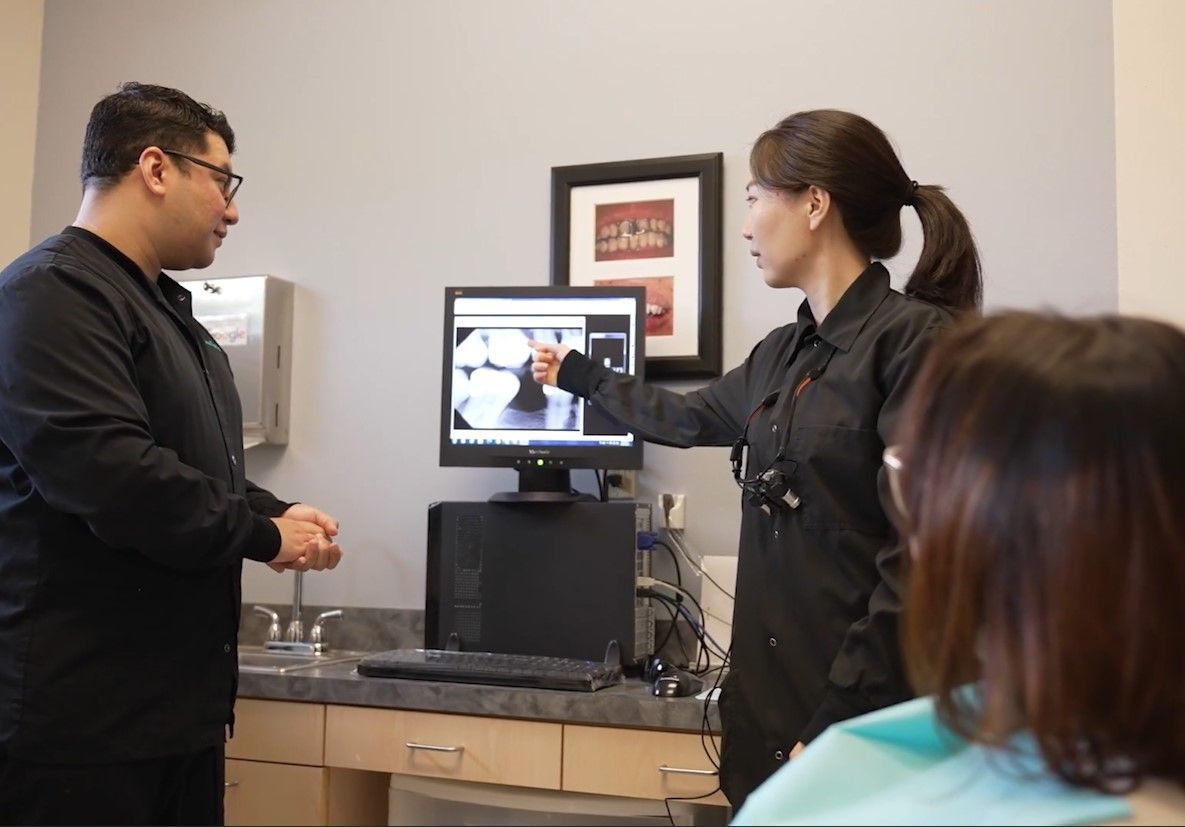
Before laser gum disease therapy begins, your dentist or periodontist will perform a thorough periodontal evaluation. This usually includes measuring the spaces between your teeth and gums, checking for bleeding or inflammation, reviewing X-rays, and identifying areas where infection has damaged gum tissue or supporting bone.
At this visit, you may learn:
- How advanced the gum disease is
- Which areas need treatment
- Whether treatment will be done in one visit or multiple appointments
- What type of numbing or anesthesia will be used
- How to care for your mouth afterward
This is also the time to ask questions. If you are nervous, let your dental team know. Many patients feel much more comfortable once they understand the process.
What Happens During the Appointment
On the day of treatment, the area being treated is typically numbed so you stay as comfortable as possible. Once the gums are numb, the laser is used to target infected tissue and bacteria within the periodontal pockets.
A typical appointment may involve several steps:
1. Numbing the Area
Your provider will make sure the treatment area is fully comfortable before beginning. Most patients say this helps ease a lot of their anxiety right away.
2. Removing Infected Tissue
The laser is carefully guided into the gum pockets to remove diseased tissue and reduce bacteria. This step is one reason laser therapy is often viewed as a gentler option for periodontal care.
3. Cleaning the Root Surfaces
After infected tissue is addressed, the roots of the teeth are cleaned to remove buildup such as plaque, tartar, and bacterial toxins. Smoother root surfaces make it harder for bacteria to reattach and easier for the gums to heal.
4. Encouraging the Gums to Reattach
Once the area is cleaned, the goal is to create a healthier environment so the gums can begin tightening around the teeth again during healing.
How Long the Procedure Takes
Treatment time depends on how many areas of the mouth need care and how advanced the gum disease is. Some patients only need one section treated at a time, while others need multiple areas addressed over more than one appointment.
Your dental team will explain the expected timeline before treatment begins, so you know what to plan for.
Does Laser Gum Disease Therapy Hurt?
This is one of the most common questions patients ask. Most people are surprised that the procedure is more manageable than they expected. Because the area is numbed beforehand, discomfort during treatment is usually limited.
Afterward, it is normal to experience some:
- Mild soreness
- Gum tenderness
- Sensitivity
- Minor swelling
Many patients find the recovery easier than they anticipated, especially when they closely follow aftercare instructions.
What Recovery Is Like
Healing after
laser gum disease therapy is different for every patient, but recovery is often relatively smooth. Your gums may feel tender for a few days, and your provider may recommend soft foods while the treated area begins to heal.
You may be instructed to:
- Avoid crunchy, spicy, or hard foods for a short time
- Brush gently around the treated areas
- Use a prescribed or recommended rinse
- Avoid smoking or tobacco use
- Return for follow-up visits so healing can be checked
Following these instructions is important. Even excellent treatment results depend on what happens after the appointment. Good home care and follow-up maintenance help keep gum disease from returning.
What Results You Can Expect
Laser gum disease therapy is intended to reduce infection, improve gum health, and help stabilize the teeth and surrounding tissues. After healing, many patients notice improvements such as:
- Less bleeding when brushing or flossing
- Reduced gum inflammation
- Fresher breath
- Healthier-looking gums
- Greater comfort when chewing
- Better long-term support for the teeth
Keep in mind that gum disease treatment is not a one-time shortcut. It is part of an ongoing plan to restore and maintain periodontal health.
The Importance of Periodontal Maintenance
Once gum disease has been treated, ongoing maintenance becomes essential. Patients who have had periodontal problems usually need more frequent cleanings and monitoring than those with healthy gums and no history of disease.
These maintenance visits allow your dental team to:
- Check pocket depths
- Remove harmful buildup
- Monitor healing
- Catch signs of reinfection early
- Help you protect your results
Staying consistent with these visits can make a major difference in keeping your gums stable over time.
When to Call Your Dentist After Treatment
Some tenderness is normal, but you should contact your dental office if you notice anything that seems unusual, such as severe pain, heavy bleeding, swelling that worsens instead of improves, or signs of infection. Your dental team would rather hear from you early than have you wait and worry.
Don’t Ignore Gum Disease Symptoms
If you have been dealing with bleeding gums, gum tenderness, bad breath, gum recession, or loose teeth, it is important not to put off treatment. Gum disease does not usually go away on its own, and early care can often prevent more serious damage.
Laser gum disease therapy can be an effective way to treat infection and support healing with a more precise approach. For many patients, the biggest surprise is that the process is far less stressful than they imagined.
If you are concerned about your gum health,
Aurora Dental Care in Seattle can evaluate your symptoms and recommend the right next steps for protecting your smile.