Dental implants are one of the most reliable ways to replace missing teeth, but many patients are surprised to learn that the process is not usually completed in one visit. Because a dental implant is designed to act like an artificial tooth root, your jawbone needs time to heal and bond with the implant before the final crown, bridge, or denture is attached.
For Seattle patients considering dental implants, the full timeline can vary based on your oral health, bone density, number of missing teeth, whether an extraction is needed, and whether bone grafting is recommended. In many cases, the process takes several months from start to finish. The American Academy of Implant Dentistry notes that the overall process may take about three to nine months depending on the type and number of implants involved.
Step 1: Dental Implant Consultation and Evaluation
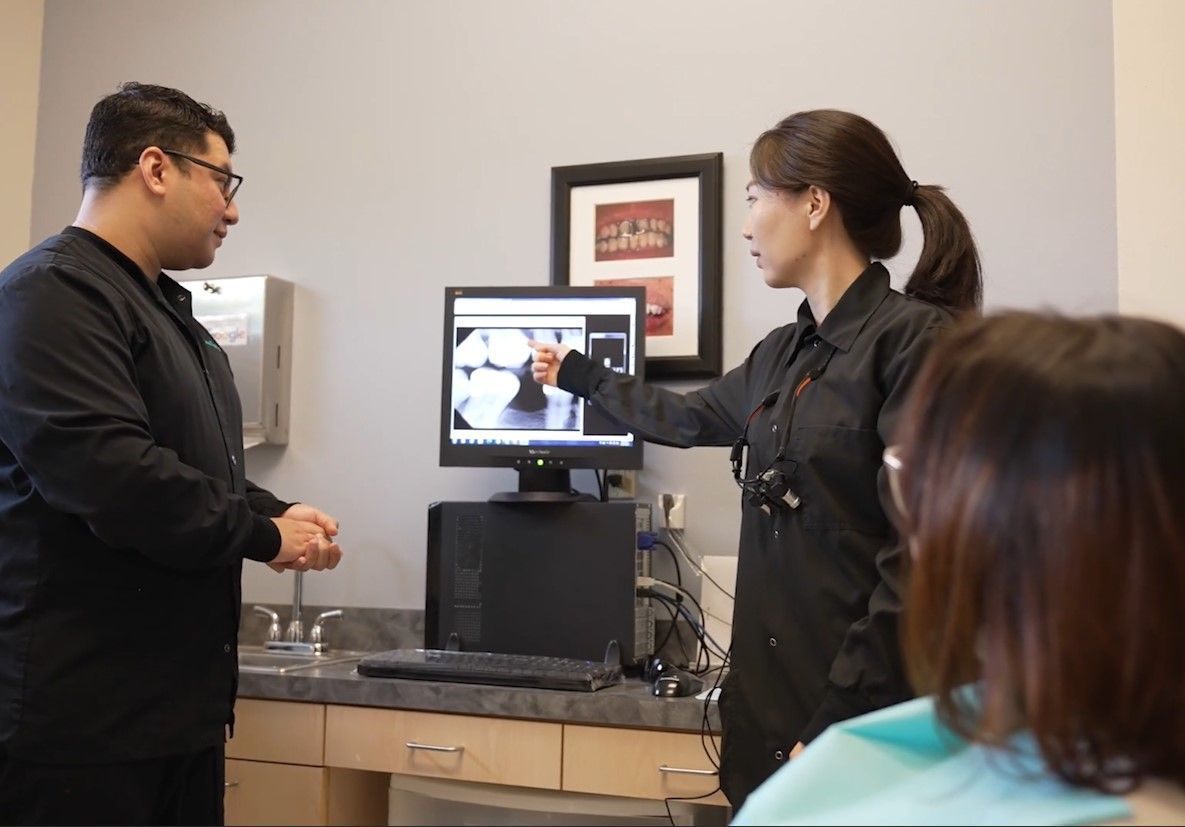
The first step is a comprehensive consultation. During this visit, your dentist or periodontist will evaluate your teeth, gums, jawbone, bite, and overall oral health. Digital imaging may be used to determine whether there is enough healthy bone to support an implant.
This appointment is also when your dental team will review your medical history, discuss your goals, and explain whether dental implants are the right option for you. If you have gum disease, bone loss, an infected tooth, or other oral health concerns, those issues may need to be addressed before implant placement.
Step 2: Tooth Extraction, If Needed
If the tooth being replaced is still present, it may need to be removed before the implant can be placed. Some patients can have an extraction and implant placement done during the same general phase of treatment, while others need time for the area to heal first.
Your timeline may be longer if the tooth has been missing for a while, if infection is present, or if the bone around the tooth has weakened.
Step 3: Bone Grafting, If Recommended
Not every patient needs a bone graft, but it is common when there is not enough jawbone to properly support an implant. Bone loss can happen after a tooth has been missing for a long time, after advanced gum disease, or after trauma to the area.
A bone graft helps rebuild the foundation for the implant. If grafting is needed, healing time is added to the overall timeline. Mayo Clinic notes that if the jawbone is not thick enough or is too soft, bone grafting may be needed before dental implant surgery.
Step 4: Dental Implant Placement
Once the area is ready, the dental implant is placed into the jawbone. The implant itself is a small post that functions like an artificial tooth root. After placement, the gums begin to heal, and the implant starts the process of bonding with the jawbone.
Most patients can return to normal daily activities relatively quickly, although soreness, swelling, and tenderness are normal during the first few days. Your dentist will give you specific aftercare instructions, including what to eat, how to clean the area, and what to avoid while healing.
Step 5: Healing and Osseointegration
This is one of the most important parts of the dental implant timeline. Osseointegration is the process where the jawbone fuses with the dental implant, helping create a stable foundation for the final restoration. Cleveland Clinic explains that initial healing may take about a week, but the bone-fusing process can take several months.
For many patients, this stage takes about three to six months, although some cases may take longer. Healing time depends on your bone quality, overall health, location of the implant, and whether additional procedures were needed.
Step 6: Abutment Placement
After the implant has fully integrated with the bone, an abutment may be placed. The abutment is the connector piece that attaches the implant to the final crown or restoration.
In some cases, the abutment is placed at the same time as the implant. In other cases, it is placed after healing. Mayo Clinic describes this as a minor procedure that may involve reopening the gum to attach the abutment once osseointegration is complete.
Step 7: Final Crown, Bridge, or Denture
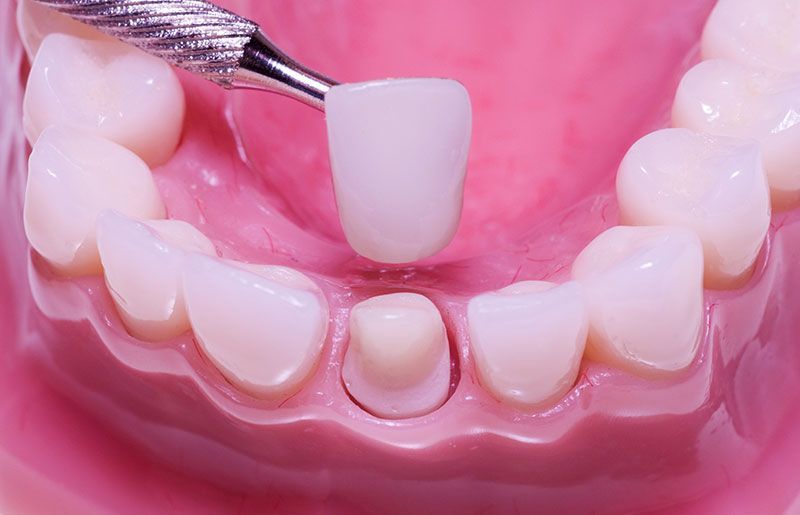
The final step is placing the restoration. For a single missing tooth, this is usually a custom dental crown. For multiple missing teeth, the restoration may be an implant-supported bridge or denture.
Your final restoration is designed to match your bite, smile, and natural tooth color as closely as possible. Once complete, your implant should feel stable and allow you to chew, speak, and smile with more confidence.
A General Dental Implant Timeline
While every patient is different, a typical implant timeline may look like this: