Who May Be a Candidate for Same-Day Dental Implants?
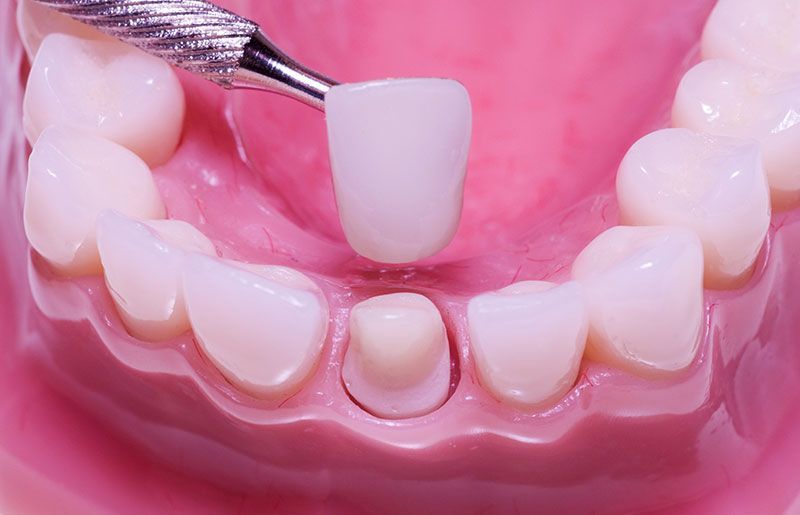
Same-day implants may be an option for patients who have strong bone support, healthy gums, no active infection, and an implant that can be placed with strong initial stability. Bite pressure also matters. If the temporary tooth is exposed to too much force too soon, it can interfere with healing.
The ITI consensus notes that immediate placement and immediate restoration/loading should be considered only when specific clinical conditions are met, including adequate bone, stable soft tissue, no acute infection, primary stability, and patient compliance.
You may be a better candidate for same-day treatment if:
- You have healthy bone volume at the implant site.
- Your gums are healthy or well managed.
- The tooth being replaced does not have an active infection.
- Your bite can be adjusted to protect the temporary restoration.
- You are willing to follow soft-food and post-op instructions carefully.
- You do not smoke or vape, or you are willing to stop during healing.
When Traditional Dental Implants May Be the Better Choice
Traditional implants may be the safer and more predictable option when the mouth needs more preparation before the final tooth is placed. This is especially common for patients who have had a tooth missing for a long time, have gum disease, have bone loss, or need bone grafting.
The ADA notes that some patients may need to wait until the implant is fully integrated before replacement teeth are attached, while others may be able to have implants and replacement teeth placed in one visit. Health, healing ability, and tobacco use can all affect implant candidacy and recovery.
Traditional implants may be recommended if:
- You need a bone graft or sinus lift.
- You have untreated gum disease.
- The implant site does not have enough bone density.
- The tooth was removed because of infection.
- You grind or clench your teeth heavily.
- Your medical history may slow healing.
- Your dentist wants to reduce pressure on the implant during integration.
Is Same-Day Always Better?
Not necessarily. Same-day treatment can be convenient, especially for visible front teeth or full-arch cases where patients want to avoid going without teeth. However, faster is not always better if it increases the risk of implant movement, poor healing, or future failure.
The American Association of Oral and Maxillofacial Surgeons emphasizes that implants fuse with the jawbone through osseointegration and that there is no shortcut around that process. This healing phase is a major reason implants can become stable and long lasting.
For many patients, the best option is the one that gives the implant the strongest foundation, even if that means waiting a little longer.
What Seattle Patients Should Expect During an Implant Consultation
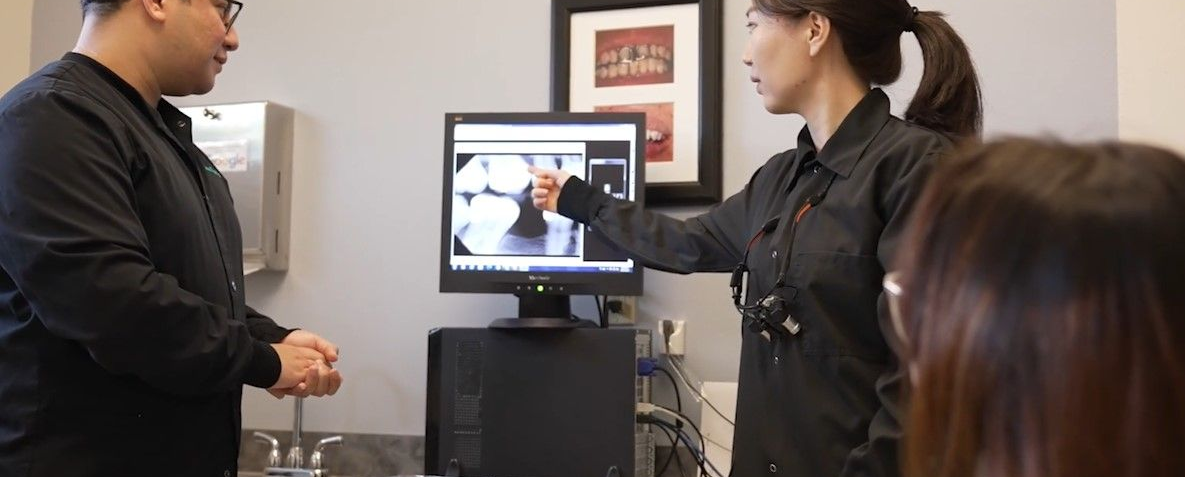
At Aurora Dental Care in Seattle’s Greenwood neighborhood, the implant planning process begins with a careful evaluation. Your dental team will look at your teeth, gums, bone structure, bite, and overall oral health before recommending same-day or traditional implant treatment.
Your consultation may include:
- Digital imaging or X-rays
- Gum health evaluation
- Bone volume assessment
- Review of medical history
- Discussion of missing tooth replacement options
- Timeline and cost expectations
- Review of whether grafting may be needed
This planning step helps determine whether your implant can be restored right away or whether a traditional healing timeline would give you a better long-term result.
Same-Day vs. Traditional Dental Implants: Which Should You Choose?
The right choice depends on your mouth, not just your schedule. Same-day dental implants can be a great option for the right patient, but they require strong bone, healthy gums, excellent implant stability, and careful follow-up. Traditional dental implants may take longer, but they often provide a more predictable path for patients who need bone grafting, gum treatment, or extra healing time.
If you are missing one tooth, several teeth, or are considering implant-supported dentures, the best next step is a personalized consultation.
Aurora Dental Care can help you understand your options and choose a treatment plan designed for comfort, function, appearance, and long-term health.