Custom Night Guard vs. Store-Bought: What Should You Consider?
If you wake with a tired jaw or notice worn teeth, you may start comparing a pharmacy night guard with a custom appliance. Price and convenience matter, but so do fit, the condition of your teeth, and whether a guard is appropriate for the problem you are experiencing.
Aurora Dental Care offers custom night guards in Seattle. An examination is a useful first step before deciding what to wear at night.
Start with an evaluation, not an appliance
Bruxism is grinding or clenching that can occur while awake or asleep. The National Institute of Dental and Craniofacial Research notes that more severe cases can damage teeth and cause jaw discomfort or headaches. However, these symptoms do not prove that grinding is the only cause.
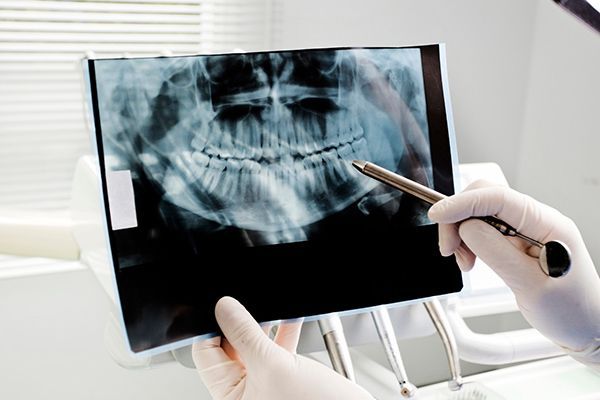
Your dentist can examine tooth wear, existing restorations, and areas of tenderness and ask about when symptoms occur. Tell the team about medications, changes in sleep, and whether someone has heard you grinding. Do not stop prescribed medication without speaking to its prescriber.
What is different about a custom guard?
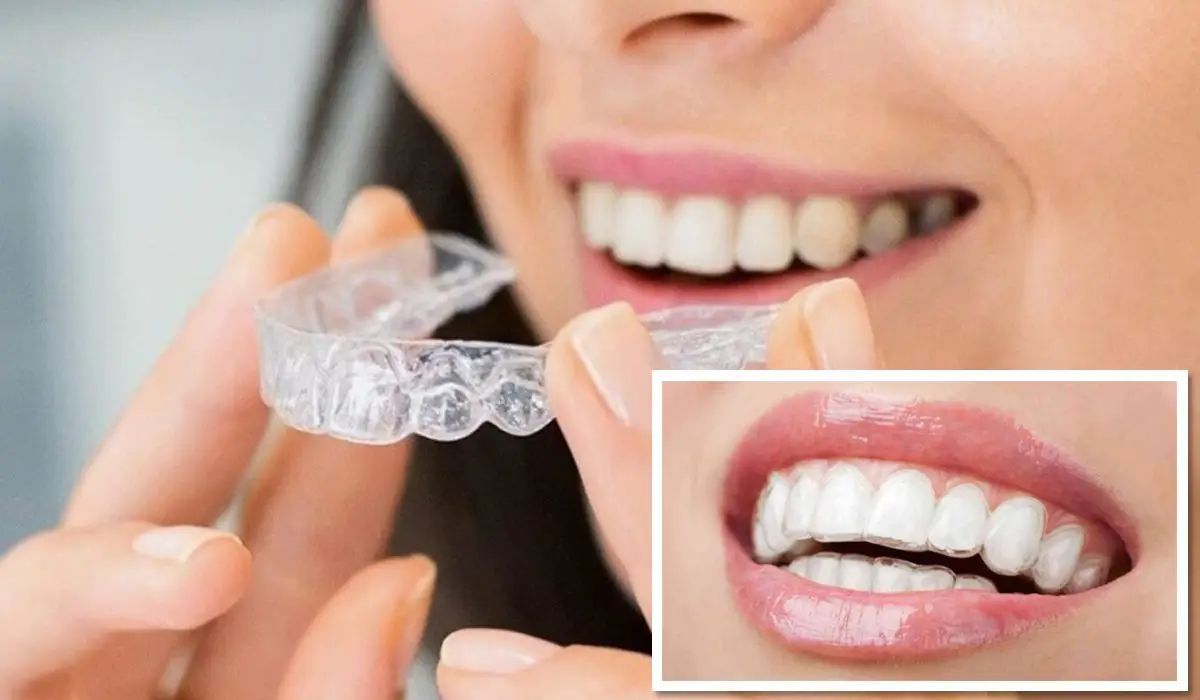
A custom appliance is made from records of your teeth and fitted to your mouth. The dental team can assess how it seats, review your bite with it in place, and explain care and follow-up. Ask which material and design are being proposed and why.
The fitting appointment is an opportunity to report pressure, difficulty inserting or removing the guard, or a bite that feels unfamiliar. A custom guard still needs maintenance and may require adjustment or replacement.
What about an over-the-counter option?
Store-bought products vary. Some are ready to use, while others are molded at home. They may have a lower initial price, but they do not include an examination of the reason for your symptoms or a professional fitting.
Before buying one, ask your dentist whether it is suitable for your teeth and restorations. Follow its instructions, and stop using an appliance that causes pain, does not stay securely in place, or appears to change how your teeth meet. Contact the dental team for advice rather than repeatedly modifying it yourself.
Compare more than the purchase price
- Assessment: Has the cause of your discomfort been evaluated?
- Fit: Can you insert, wear, and remove the appliance as intended?
- Follow-up: Who will check pressure points, damage, or changes in fit?
- Care: What cleaning products and storage conditions are appropriate for the material?
- Replacement: What signs indicate that the guard needs review or replacement?
Bring any appliance you already use to your appointment. Seeing it may help the team understand your experience and discuss practical options.
A guard protects teeth; it does not solve every cause
An intraoral appliance can separate the teeth and help limit damage associated with grinding. It is not a guaranteed cure for clenching, headaches, or jaw disorders. Depending on the findings, your care may also involve addressing daytime habits, reviewing contributing factors, or seeking another clinical evaluation.
A night guard for grinding is not the same as a sports mouthguard or an appliance prescribed for sleep apnea. Tell a clinician if you snore heavily, wake gasping, or experience significant daytime sleepiness.
Should I wear the guard indefinitely without checkups?
No. Bring it to dental checkups so its condition and fit can be reviewed. Follow the care instructions for your specific appliance.
What if a tooth is already chipped?
Ask for an evaluation of the damage. Protection and repair are separate questions, and you may need restorative treatment as well as a discussion of grinding.
Ask about night guards in Greenwood
Contact Aurora Dental Care at (206) 729-0273 to discuss tooth wear, clenching, or a guard that is no longer comfortable.